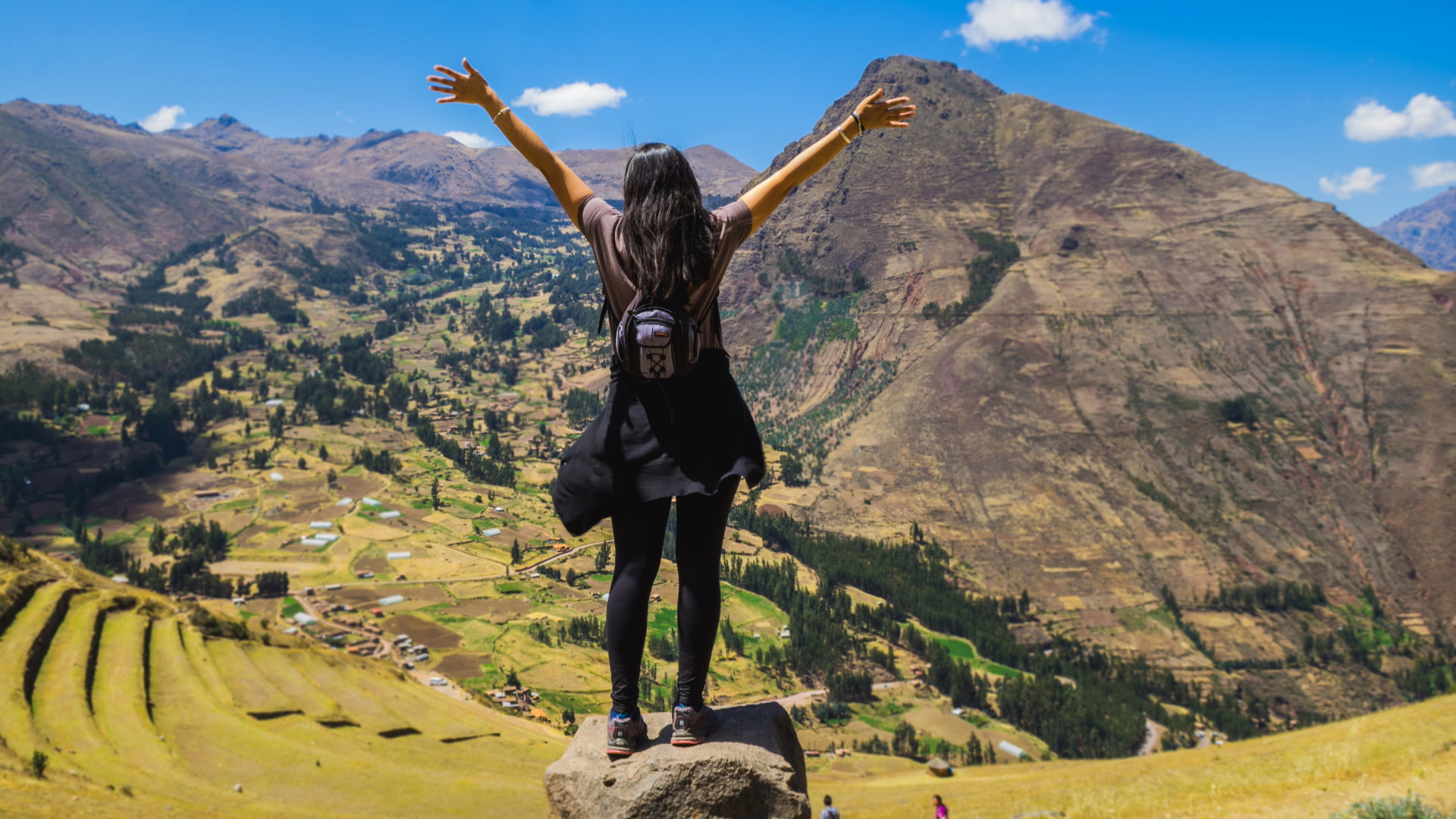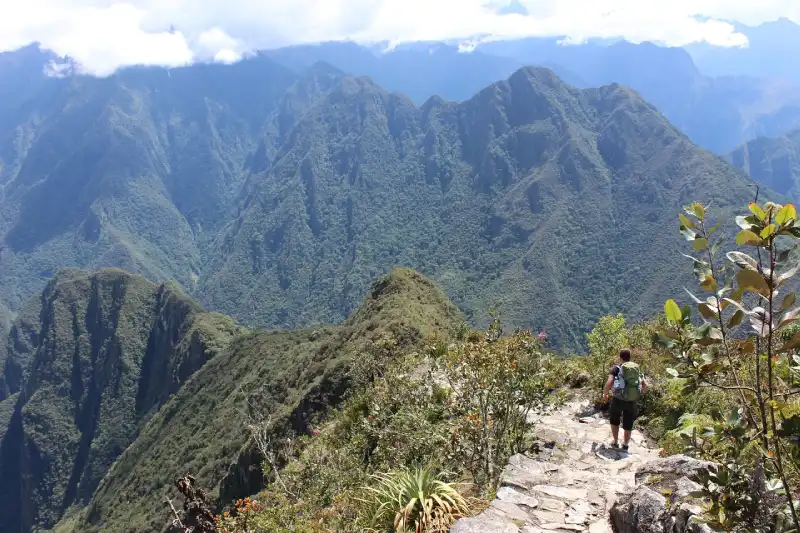

There is only one Machu Picchu, but there is more than one way to experience it.
Most travelers don’t discover this until they’re deep into planning: a Machu Picchu entrance ticket doesn’t let you wander freely through the entire site. Every ticket belongs to a specific circuit, with a fixed entrance time and a one-way route through selected areas of the citadel.
In other words, the circuit you choose determines the views you’ll see, the temples you’ll walk through, the photographs you’ll take, and whether your visit includes a mountain climb. Getting this right matters just as much as choosing your train or travel date.
At Peru Hikers, we want your first view of Machu Picchu to feel exactly as you imagined: meaningful, unhurried, and completely unforgettable. So here’s everything you need to know about all three circuits, all ten routes, and how to make sure you book before the best tickets are gone.
One thing before we dive in: Don’t wait until you arrive in Cusco to sort your circuit. Circuit 2, Huayna Picchu, and the most popular entrance times sell out first, especially in high season. Book ahead.
Three Circuits, Ten Routes — Here’s the Big Picture
| Circuit | Experience | Routes | Best For |
|---|---|---|---|
| Circuit 1 – Panoramic | Elevated terraces and sweeping postcard views | 1A, 1B, 1C, 1D | Photography, scenery and optional hikes |
| Circuit 2 – Classic | Panoramic views plus the most complete walk through the urban sector | 2A, 2B | First-time visitors and history lovers |
| Circuit 3 – Royalty | Lower citadel, royal and sacred sectors, with optional mountain hikes | 3A, 3B, 3C, 3D | Huayna Picchu hikers, repeat visitors and archaeology enthusiasts |
No single route covers every corner of Machu Picchu. The best circuit for you comes down to what matters most the iconic panorama, the principal temples, a mountain climb, or a quieter exploration of the royal sector.
Circuit 1: The Panoramic Circuit
Circuit 1 takes you to the upper terraces rising above the citadel. It’s built around Machu Picchu’s grand landscape, the green peaks, the winding Vilcanota River, the agricultural terraces, Huayna Picchu, and the sweeping view that lives in every traveler’s imagination.
It’s exceptional for panoramic photography, but it doesn’t take you through the main urban and temple sectors the way Circuit 2 does. If the view is everything, this is your circuit.
Route 1A — Machu Picchu Mountain
This route pairs the upper panoramic sector with the challenging ascent of Machu Picchu Mountain. It rises high above the archaeological site and rewards hikers with sweeping views across the citadel and the surrounding Andean cloud forest, wider and more complete than almost any other viewpoint.
This route is for you if:
- You love demanding hikes and high viewpoints
- You want a bigger physical challenge than a standard citadel walk
- Vast landscape views matter more to you than an extensive walk among the principal temples
Come prepared: good footwear, water, physical fitness, and enough time in your schedule to match your assigned entrance window.
Route 1B — Upper Terrace
Route 1B is the purest panoramic experience on offer. It leads to the upper terraces where you can take in one of the finest broad views of the entire citadel the classic shot- with Huayna Picchu rising dramatically in the background.
This route is for you if:
- The iconic Machu Picchu photograph is your priority
- You prefer a shorter, less demanding visit
- Circuit 2 is unavailable, and you still want a stunning first impression
Keep in mind: this route stays on the viewpoints and terraces. It doesn’t continue into most of the lower urban sector.
Route 1C — Intipunku (The Sun Gate)
Route 1C follows part of the original Inca Trail toward Intipunku, the Sun Gate. For Inca Trail hikers, the Sun Gate is the legendary first glimpse of Machu Picchu after days of trekking. From inside the site, this route lets other visitors walk toward that same historic entrance and see the sanctuary from a beautiful elevated distance.
This route is for you if:
- You want to walk on a section connected with the historic Inca Trail
- You enjoy scenic hiking with elevated views
- The symbolism of approaching through the Sun Gate speaks to you
This is a high-season route and is not available year-round.
Route 1D — Inca Bridge
Route 1D combines the upper panoramic area with a relatively gentle walk toward the Inca Bridge, a remarkable structure built directly into a dramatic mountainside cliff. It reveals Inca road engineering at its most ingenious and gives you a sense of the natural defenses surrounding Machu Picchu.
This route is for you if:
- You want panoramic views plus a short, scenic walk
- Inca engineering and architecture fascinate you
- You prefer something less strenuous than a full mountain climb
Note: The bridge itself is viewed from the permitted trail; visitors don’t cross it. This is also a high-season route.
Circuit 2: The Classic Machu Picchu Circuit
For most first-time visitors, Circuit 2 is the strongest all-around choice, and for good reason.
It combines elevated views of the citadel with a longer, richer passage through the agricultural, ceremonial, residential, and urban areas that make Machu Picchu one of the world’s great archaeological wonders. It’s the circuit most people picture when they imagine a complete, guided visit.
It’s also usually the first to sell out. Plan accordingly.
Route 2A — Classic Designed Route
Route 2A is the most complete classic experience available. It takes in the agricultural sector and moves through key parts of the urban area places like the Sacred Plaza, the Main Temple, the Temple of the Three Windows, the Sacred Rock, water channels, and the Water Mirrors sector, following the official one-way flow in operation on your visit date.
This route is for you if:
- This is your first and possibly only visit to Machu Picchu
- You want both the celebrated panorama and a rich archaeological experience
- You want your guide to weave together the architecture, spirituality, and daily life of the Inca civilization into one connected story
This is Peru Hikers’ first recommendation for many guests, but availability disappears months ahead. Don’t leave it.
Route 2B — Lower Terrace Route
Route 2B offers a very similar classic journey, reaching the panoramic area from a lower terrace. It continues through much of the urban sector, the quarry, ceremonial and residential spaces, the main plaza area, Sacred Rock, and Water Mirrors.
This route is for you if:
- Route 2A is sold out
- You want an excellent balance of panoramic views and archaeological depth
- Exploring the urban heart of Machu Picchu matters more than standing on the highest photo terrace
For many visitors, Route 2B turns out to be a genuinely excellent experience, not a compromise, but a strong alternative in its own right.
Circuit 3: The Royalty Circuit
Circuit 3 explores Machu Picchu from the lower sector, where some of its most refined and sacred buildings are concentrated. Depending on the route, it can be combined with Huayna Picchu, the Great Cavern, or Huchuy Picchu.
The viewpoint sits lower than Circuits 1 and 2, so the classic elevated postcard composition is different here. What Circuit 3 offers instead is closer, more intimate contact with royal architecture, sacred temples, and spaces near the base of Huayna Picchu. For archaeology lovers and returning visitors, this is often the most rewarding circuit of all.
Route 3A — Huayna Picchu Mountain
This is one of the most sought-after tickets at Machu Picchu — and one of the fastest to sell out.
Route 3A combines the lower royal circuit with the ascent of Huayna Picchu, the steep and unmistakable peak that rises dramatically behind the citadel in virtually every classic Machu Picchu photograph. The climb is thrilling, with narrow stone steps and exposed sections that deliver views unlike anything else at the site.
This route is for you if:
- Climbing Huayna Picchu has been on your bucket list
- You’re comfortable with steep steps, heights, and a demanding ascent
- You understand the route focuses on the lower citadel rather than the upper classic photo platform
Not ideal for travelers with severe vertigo, limited mobility, or discomfort on steep, exposed mountain paths. If that’s you, Route 1A or 3D may suit you better.
Route 3B — Royalty Designed Route
Route 3B is the main option for exploring the lower royal sector without adding a mountain climb. It showcases some of the finest Inca stonework anywhere in the citadel — important ceremonial and residential spaces, areas associated with the royal residences, and the Temple of the Condor.
This route is for you if:
- Inca architecture and sacred spaces fascinate you
- You want a gentler route without a major mountain hike
- You’ve already seen or plan to see the upper panorama through a separate ticket or the Inca Trail
This route is particularly rewarding for Short Inca Trail travelers, who typically arrive through Intipunku with elevated views already covered and may want a close-up archaeological experience the following day.
Route 3C — Great Cavern
Route 3C is the most adventurous extension in Circuit 3 — heading toward the Great Cavern, traditionally known by many travelers as the Temple of the Moon. It enters the forested slopes around Huayna Picchu and requires a longer, more demanding walk than a standard citadel visit.
This route is for you if:
- You want a less conventional, off-the-beaten-path experience
- You’re physically prepared for a longer route with many steps
- You’ve already experienced the classic side of Machu Picchu or simply prefer deeper adventure over postcard views
Availability is limited, and this is a high-season route; book early.
Route 3D — Huchuy Picchu
Huchuy Picchu is the shorter mountain option near Huayna Picchu. Its summit delivers a distinctive elevated perspective over the archaeological site without the same intensity or duration as the full Huayna Picchu climb.
This route is for you if:
- You want a short climb with a genuinely rewarding viewpoint
- Huayna Picchu feels too demanding for your fitness level or comfort
- You want a touch of adventure added to the lower royal circuit
Generally offered during high season only.
Which Circuit Is Actually Best for You?
| Your Priority | Best Choice |
|---|---|
| Best all-around first visit | Circuit 2A |
| Excellent alternative to 2A | Circuit 2B |
| The iconic panoramic photograph | Circuit 1B |
| Challenging hike with widest views | Circuit 1A — Machu Picchu Mountain |
| Famous steep mountain adventure | Circuit 3A — Huayna Picchu |
| Lower temples and royal architecture | Circuit 3B |
| Original Inca Trail atmosphere | Circuit 1C — Intipunku |
| Easier scenic walk with views | Circuit 1D — Inca Bridge |
| Remote and demanding adventure | Circuit 3C — Great Cavern |
| Shorter summit experience | Circuit 3D — Huchuy Picchu |
How Far Ahead Should You Book?
There’s no single deadline because availability shifts by route, entrance time, season, and demand. A ticket may technically still be available while the specific route and time you actually want is already gone.
Here’s Peru Hikers’ practical guidance:
| Travel Period or Ticket | Book This Far Ahead |
|---|---|
| May–September, Christmas, New Year & Easter | 6–9 months ahead |
| Circuit 2A or 2B | At least 4–6 months; earlier in peak season |
| Huayna Picchu or Machu Picchu Mountain | 4–6 months; ideally 6+ months for fixed dates |
| Intipunku, Inca Bridge, Great Cavern, Huchuy Picchu | As soon as high-season sales open for your date |
| October–April (excluding holidays) | 2–4 months ahead |
| Last-minute travel | Contact us immediately — another route or time may still be possible |
These are recommendations, not guarantees. Official inventory can sell out sooner, and tickets are released according to government sales schedules. If your flights are already booked or your dates can’t change, the safest time to reserve is as early as possible.
Why Do the Best Tickets Go So Fast?
Machu Picchu is a protected UNESCO World Heritage Site with strictly controlled daily capacity. Each route and entrance time has its own limited allocation. Travelers worldwide compete for the same popular slots, and Circuit 2 and Huayna Picchu see especially strong demand.
Waiting can mean losing your preferred circuit, being stuck with an inconvenient entry time, having to change your train schedule, spending an extra unplanned night in Aguas Calientes, or missing Huayna Picchu or Machu Picchu Mountain entirely. None of those are experiences you want.
Can You Visit More Than One Circuit?
Yes, each circuit requires a separate ticket and entrance time, but combining circuits is absolutely possible and often makes for a richer overall experience.
Popular combinations include:
- Circuit 1 + Circuit 3: sweeping elevated panorama followed by close-up exploration of the lower royal sector
- Circuit 2 + a mountain route: the full classic citadel experience on one visit, and Huayna Picchu or Machu Picchu Mountain on another
- Short Inca Trail + Circuit 3: arrive dramatically through the Sun Gate for panoramic views, then return the following day for the lower temples and royal areas
The logistics need to work together: entrance times, bus queues, guiding time, meals, trains, and overnight stays in Aguas Calientes all need to connect seamlessly. Peru Hikers can design this sequence so your entire journey flows naturally rather than feeling rushed.
Important Rules Before You Reserve
A few things every traveler needs to know before booking:
- Your ticket is valid only for the specific circuit, route, date, and entry time on it
- Routes follow a strict one-way flow — returning to a completed sector is generally not permitted
- Arrive within the time window established for your ticket; entry is controlled
- Tickets are personal — your name and ID details must match your passport exactly
- Machu Picchu and train tickets are normally non-transferable with strict change and refund conditions
- Seasonal routes operate only during dates set by Peruvian authorities
- Route access can change due to conservation, safety, weather, or operational reasons
Always carry the original identification document you used when making your reservation.
Why Plan Your Machu Picchu Visit with Peru Hikers?
Buying an entrance ticket is only one piece of the puzzle. The right circuit needs to connect with your train, bus, hotel, transfer, guide, and overall Peru itinerary, and getting all of those moving parts to work together takes local knowledge that no booking screen can provide.
Peru Hikers is a 100% locally owned tour operator based in Cusco. Our team understands how circuits work in real travel conditions not just how they appear online. We help you:
- Choose the route that genuinely matches your interests and physical ability
- Check real availability before building your itinerary around it
- Coordinate entrance times with the best practical train schedule
- Arrange private transport, bus tickets, and professional local guiding
- Find the strongest available alternative if your first choice has already sold out
- Experience Machu Picchu through Inca history, Quechua culture, and local knowledge that only comes from calling the Andes home
We never want you to discover too late that the ticket you booked doesn’t include the view, the temple, or the mountain you came for.
Don’t Leave Your Machu Picchu Experience to Chance
Machu Picchu may be a once-in-a-lifetime journey. The right circuit turns it from a beautiful photograph into a story you carry home forever one that still gives you that feeling in your chest years later when someone mentions Peru.
If you already know your travel dates, contact Peru Hikers now. Tell us when you want to visit, how many people are traveling, and what your priority is: the classic circuit, the postcard view, the temples, Huayna Picchu, or simply the most memorable experience possible. Our Cusco-based team will check availability and build a journey around it.
Book early. Travel with confidence. Experience Machu Picchu with the people who call the Andes home.
Peru Hikers — Journeys that Change You.
Which Machu Picchu circuit is best for a first-time visitor?
For most first-time visitors, Circuit 2A is the strongest choice, and it’s the one Peru Hikers recommends most often. It gives you the elevated panoramic view the citadel is famous for, plus a rich walk through the most important agricultural, ceremonial, and urban areas, including the Sacred Plaza, the Main Temple, and the Temple of the Three Windows. It’s the closest thing to a complete Machu Picchu experience in a single visit. If Circuit 2A is already sold out by the time you book, Circuit 2B is an excellent alternative that covers much of the same ground from a slightly different approach not a backup plan, but a genuinely rewarding experience in its own right.
Can I change my Machu Picchu circuit or entrance time after booking?
In most cases, no and this is one of the most important things to understand before you reserve. Machu Picchu tickets are issued by the Peruvian Ministry of Culture and are tied to a specific circuit, route, date, and entrance time. They are personal, non-transferable, and subject to strict change and refund conditions. Modifications are rarely possible once a ticket is confirmed, and in many cases the ticket simply cannot be changed at all. This is exactly why choosing the right circuit from the beginning matters so much and why Peru Hikers takes the time to understand your priorities before recommending a route, rather than simply pointing you toward the booking page.
Is Huayna Picchu included in the standard Machu Picchu ticket?
No, Huayna Picchu requires a separate ticket under Circuit 3, Route 3A, which combines the lower royal sector with the Huayna Picchu mountain climb. It is not included in a standard citadel entry and cannot be added on the day of your visit. Huayna Picchu has one of the strictest daily permit limits at Machu Picchu; only a small number of visitors are allowed each day, which makes it one of the fastest-selling tickets on the entire site. If climbing Huayna Picchu is on your list, treat it as a priority booking and aim to reserve at least 4–6 months ahead, or earlier if your travel dates fall between May and September.