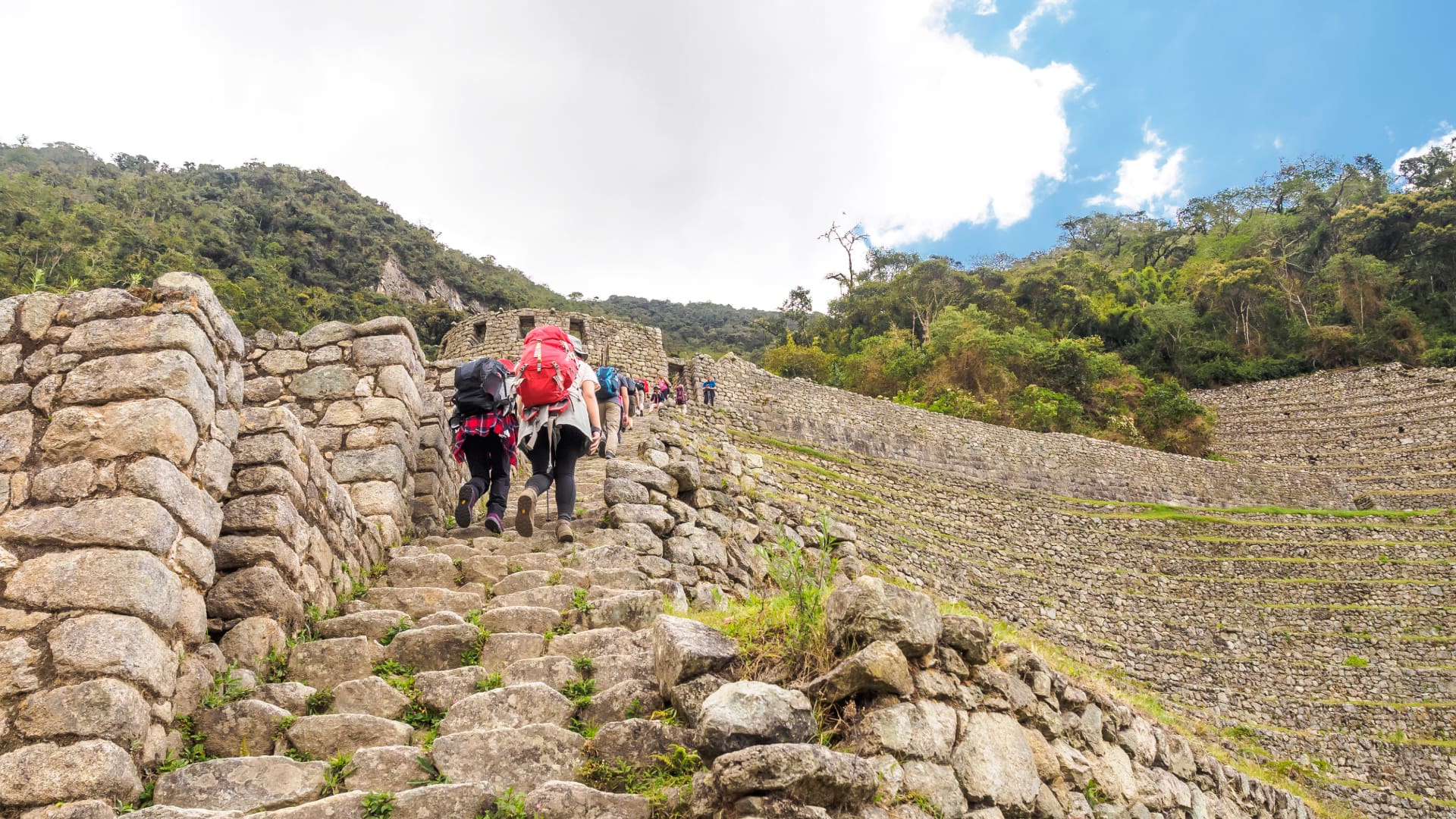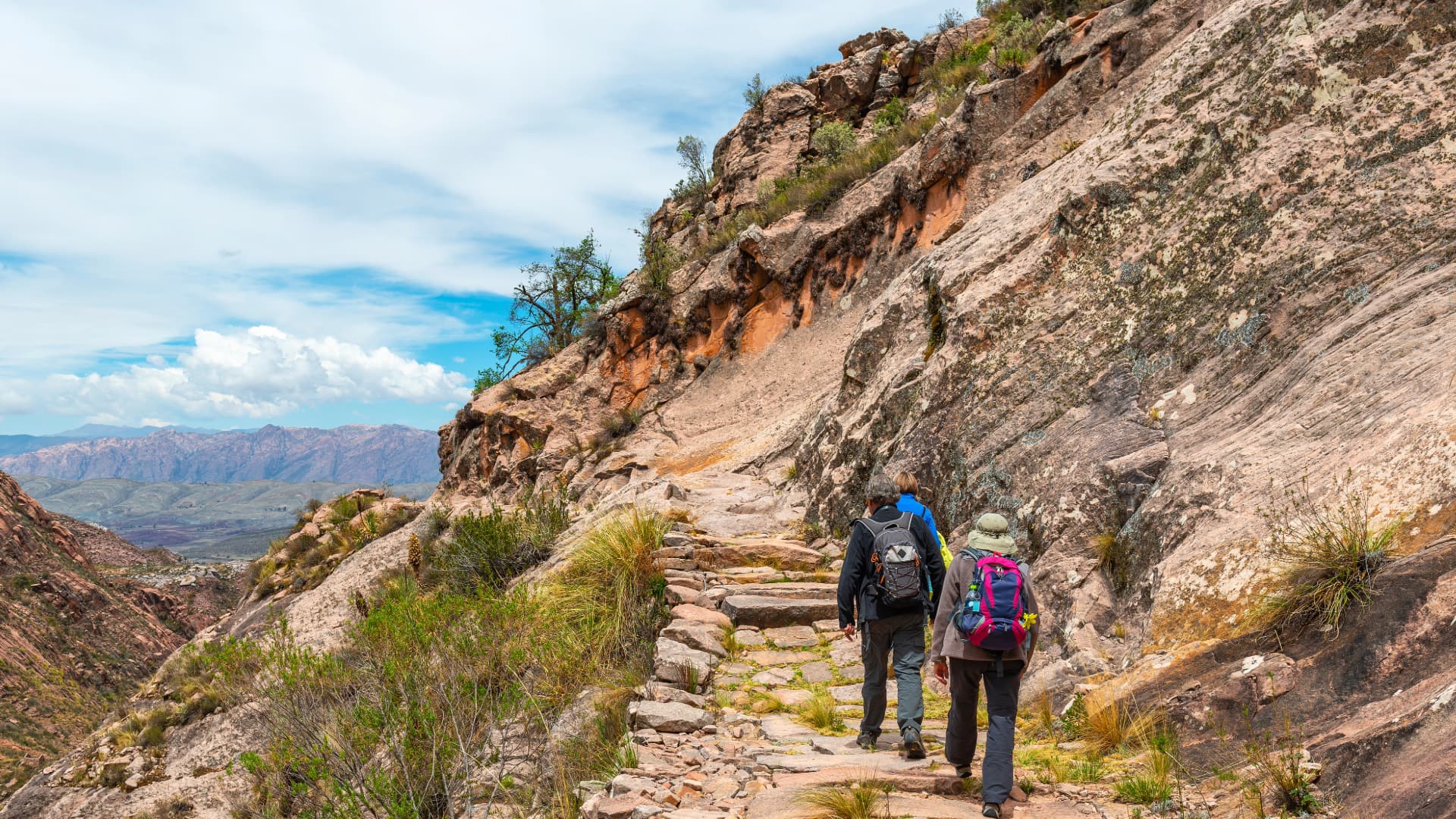

Somewhere on the second afternoon, a porter jogged past me on a narrow stretch of trail , sandals on his feet, a twenty-kilo load strapped to his back, barely breathing hard , while I stood gasping with nothing on mine but a water bottle. That’s usually the moment it clicks: this trek isn’t really about reaching a famous ruin. It’s four days that slowly wear you down and rebuild you, right up until you’re standing at the Sun Gate looking down at Machu Picchu with your eyes stinging for reasons that have nothing to do with the wind.
If you’re trying to picture what the Classic Inca Trail actually involves , not the brochure version, the real one , here’s a straight, day-by-day account, along with the details that genuinely change how the trek goes.
The Permit Problem Nobody Mentions Early Enough
This is the part most travelers learn too late. The Peruvian government caps daily access to the Inca Trail, and every permit is tied to a specific passport , no transfers, no last-minute swaps. Licensed operators buy up the available spots fast, often months before the season feels close at all.
Realistically, you need to book 5–6 months ahead to have a real shot at your preferred dates, and peak season (June through August) can sell out even sooner than that. Wait too long and you won’t lose the trip entirely , you’ll just end up on Salkantay or Lares instead, having never meant to change plans at all.
Day 1: Easy, Until It Isn’t
Buses pull out of Cusco in the early morning dark, tracing the Sacred Valley before dropping the group at the trailhead near Piscacucho , better known as Km 82. The opening stretch is forgiving: about 12–13 km of mostly flat or gently rolling ground, with the first Inca ruins appearing in the distance as the cloud forest slowly closes in.
Lunch is where the trip starts winning people over. It isn’t trail mix , it’s a full, multi-course meal, cooked at altitude by a crew that somehow makes it taste better than most restaurants at sea level.
Here’s the catch: Day 1’s “easy” reputation only holds until after that lunch. The final approach to camp climbs steadily, and the trekkers who sprinted through the morning usually feel it here. Pace yourself early , there are three more days ahead.
Day 2: The Day Every Guidebook Warns You About
There’s no softening this one , Day 2 is the hardest day on the trail, and accepting that upfront makes it far more manageable. The route climbs steadily to Warmiwañusca, or Dead Woman’s Pass, the highest point of the entire trek at roughly 4,200 meters (about 13,800 ft), then drops steeply before climbing again toward the second campsite.
At that altitude, headaches, heavy legs, and short breath aren’t warning signs , they’re just what a body does that high up. Slow and steady beats fast every time. Drink more water than seems necessary. Coca leaves genuinely help some people manage the thin air, and they’re worth trying if your stomach tolerates them.
Once the trail clears the tree line, the payoff arrives all at once: an unbroken view of ridge after ridge, and a campsite that catches the day’s last light in a way that makes the climb feel worth it before you’ve even set your pack down.
Trail tip: keep your highest-calorie snacks somewhere you can reach without stopping to dig through your bag. You’ll want them mid-climb, not at the next scheduled break.
Day 3: The Day Nobody Expects to Love
Ask past trekkers which day surprised them most, and Day 3 comes up again and again. The pace eases off, the ruins grow more elaborate, and the landscape shifts into a lush, almost tropical cloud forest. Along the way, the trail passes Runkurakay, Sayacmarca, and the dramatically terraced site of Phuyupatamarca , each more striking than the last, and with a fraction of the crowds Machu Picchu itself will have.
By late afternoon, the trail reaches Wiñay Wayna, widely regarded as one of the most beautiful Inca sites on the entire route, where the group spends its final night on the mountain.
Trail tip: rest properly this afternoon. Tomorrow’s start is brutal, and fresh legs make a real difference at the Sun Gate.
Day 4: The Sunrise That Ends It All
The last morning starts absurdly early , most groups are moving by headlamp well before sunrise, climbing through the dark toward the Sun Gate, or Inti Punku. The anticipation on this final stretch is almost physical.
Then the gate opens up ahead, and there it is: Machu Picchu, wrapped in early mist, looking exactly like every photo ever taken of it and somehow nothing like anyone expects it to feel. The rest of the morning is spent touring the citadel with a guide, who turns the stones into something far more vivid than any self-guided visit could , the astronomy, the engineering, the ceremony built into every terrace.
The Details That Actually Matter
- Book 5–6 months ahead. The permit system doesn’t make exceptions.
- Spend at least 2 nights acclimatizing in Cusco before Day 1. Skipping this is exactly what makes Day 2 unbearable for some trekkers.
- Pack light, pack smart. Porters carry the main duffel (usually up to 7 kg, including sleeping gear), so the daypack only needs water, snacks, a rain layer, sunscreen, a headlamp, and a camera.
- Bring trekking poles. Knees take a beating on the descents, especially Day 2 and Day 4.
- Tip the porters well. They’re not just carrying gear , they’re the reason the trek is possible at all.
Is It Worth It?
Every kilometer. This isn’t a route you take just to arrive at Machu Picchu , it’s roughly 42–45 km of living history through some of the most dramatic terrain on the continent, ending at a wonder of the ancient world reached entirely on foot, not off a bus or a train. That distinction matters more than it sounds like it should, and it’s hard to fully understand until you’re standing at the Sun Gate yourself.
Permits move fast, and the best dates go first. If the Classic Inca Trail is on the list, the smart move is locking in a spot early.
👉 Check availability and book your 4-day Inca Trail trek
How difficult is the 4-day Inca Trail trek?
The 4-day Inca Trail is rated moderately challenging. It can be completed by most people as long as they are fit and well acclimatised. Day 2 , the climb to Dead Woman’s Pass at 4,200 m , is the hardest section. Proper acclimatisation in Cusco beforehand and a slow, steady pace on the trail are the two most important factors for completing it comfortably.
When is the best time to hike the 4-day Inca Trail?
The dry season (May through September) is the most popular and recommended window , clear skies, dry trails, and the best visibility at Machu Picchu. The trail is closed every February for maintenance and environmental recovery. April and October are great shoulder-month options with fewer trekkers on the path.
What is included in a 4-day Inca Trail tour?
Most quality tours include four breakfasts, four lunches, and three dinners prepared by experienced camp chefs, with vegetarian and dietary options available. Porters carry your duffle bag, camping equipment, and food supplies. A licensed bilingual guide leads the entire journey. Always confirm what’s included before booking , specifically whether entrance fees, sleeping mats, and Machu Picchu entry are covered.