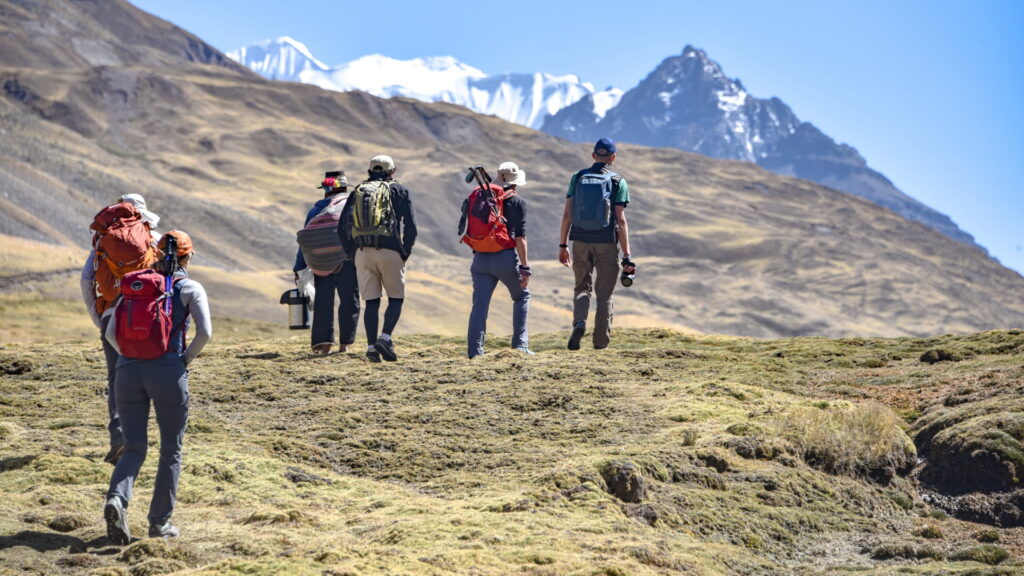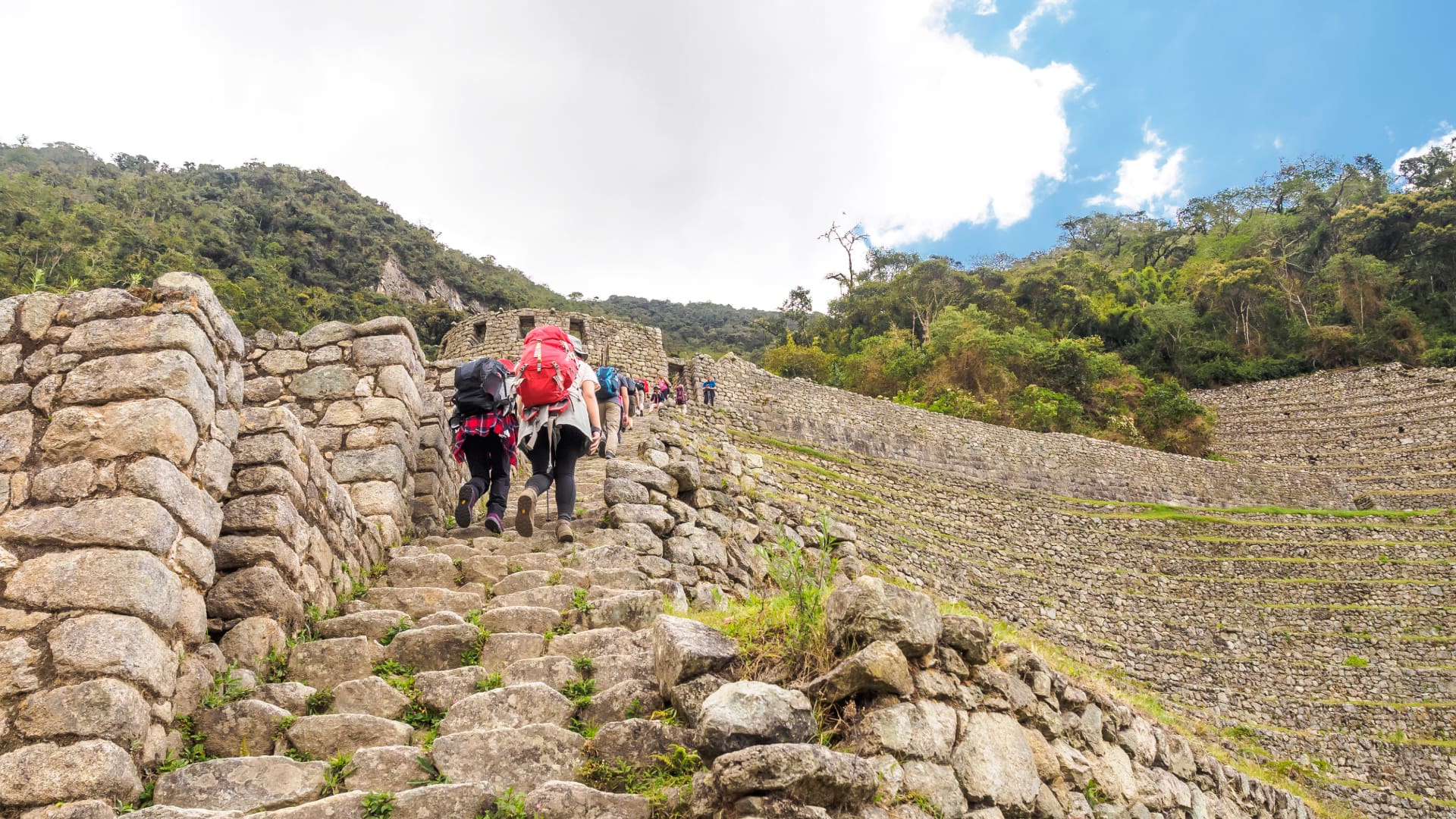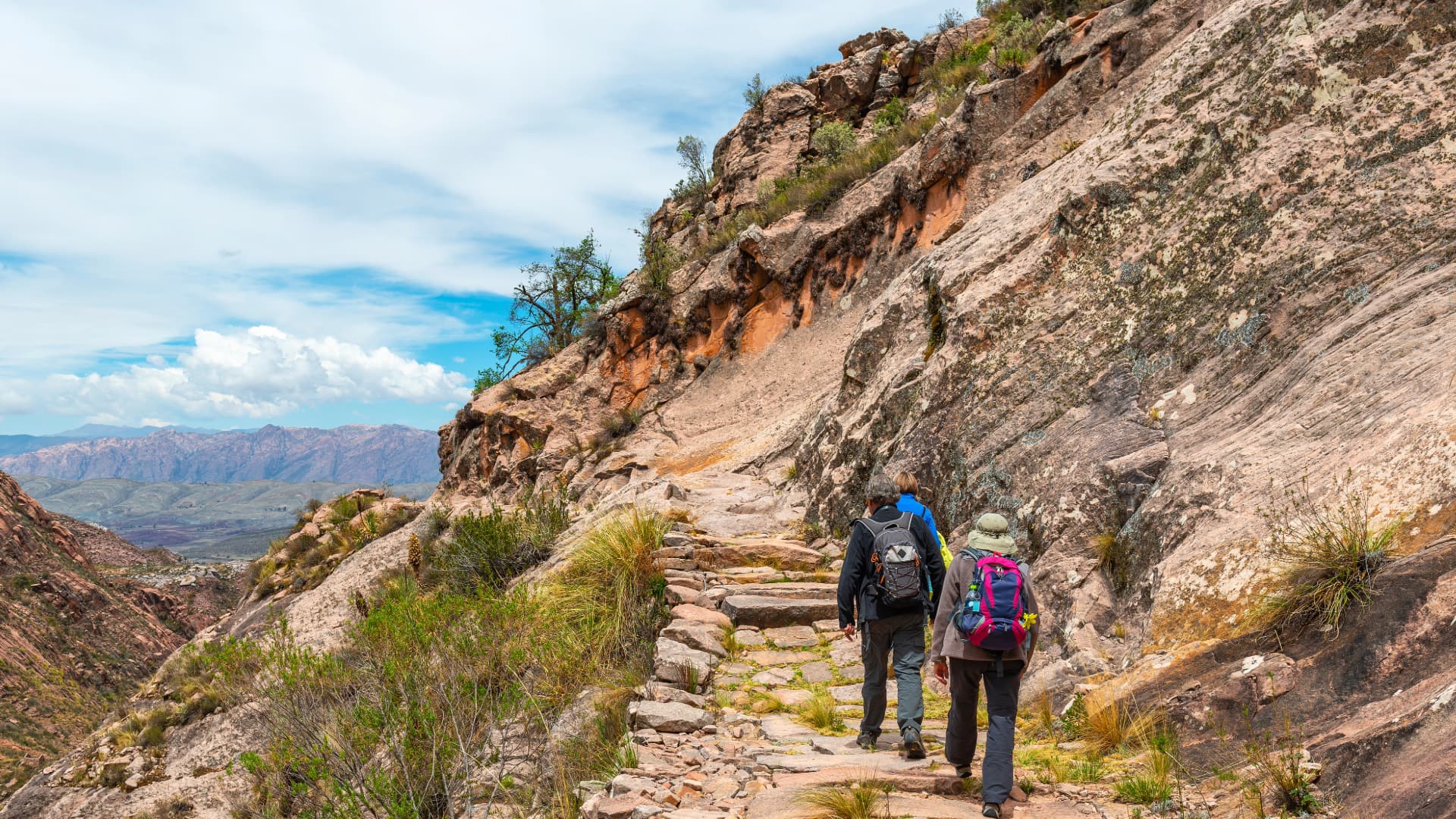

The Inca Trail to Machu Picchu is one of the world’s most spectacular treks, a physical challenge rewarded with ancient history and majestic landscapes. Choosing your operator is, above all, a safety decision. The remote beauty of the high Andes comes with inherent risks, especially far from urban medical facilities. Understanding the Inca Trail emergency protocol is essential before booking.
At Peru Hikers, we guide transformative expeditions with maximum security. We have established 5 non-negotiable standards in our Inca Trail Emergency Protocol, designed to protect you and your group from minor altitude sickness to an urgent evacuation. If you are ready to book your adventure, these are the 5 key safety standards you must demand from any operator:
1. WFR Certified Guides: The Foundation of Mountain Safety
This is the pillar of our safety commitment. A guide in the mountains is not just a historian and a trail expert; they must be a medical technician capable of managing crises without immediate external support. This commitment to having actively certified personnel separates serious operators from the rest, ensuring your well-being on the trail.
-
Advanced Training and Authority: WFR (Wilderness First Responder) is the international gold standard for patient management in remote settings where evacuation is delayed. WFR certification involves 70–80 hours of intensive training, preparing the professional to stabilize severe traumas, fractures, and dislocations. Crucially, they are trained to monitor and initiate treatment protocols for life-threatening altitude illnesses such as HAPE and HACE. Understanding these protection measures is vital. We know about WFR protection measures, and that is why we invite you to take your trek with confidence with us, fulfilling a key part of our Inca Trail emergency protocol.
2. Mandatory Pre-Trek Briefing and Acclimatization Standard
Safety begins before you set foot on the trail. This standard ensures every hiker starts the expedition with the correct physical preparation and full knowledge of the potential risks specific to the high Andes.
-
The Pre-Trek Informational Meeting : Your guide will hold a mandatory briefing in Cusco 1–2 days before the start of the trek. This meeting is where the group establishes trust and receives vital information. It covers the detailed itinerary, specific risks of the high-altitude segments, proper use of equipment, and a thorough review of the emergency communication plan. This session is non-negotiable for safety and preparedness.
-
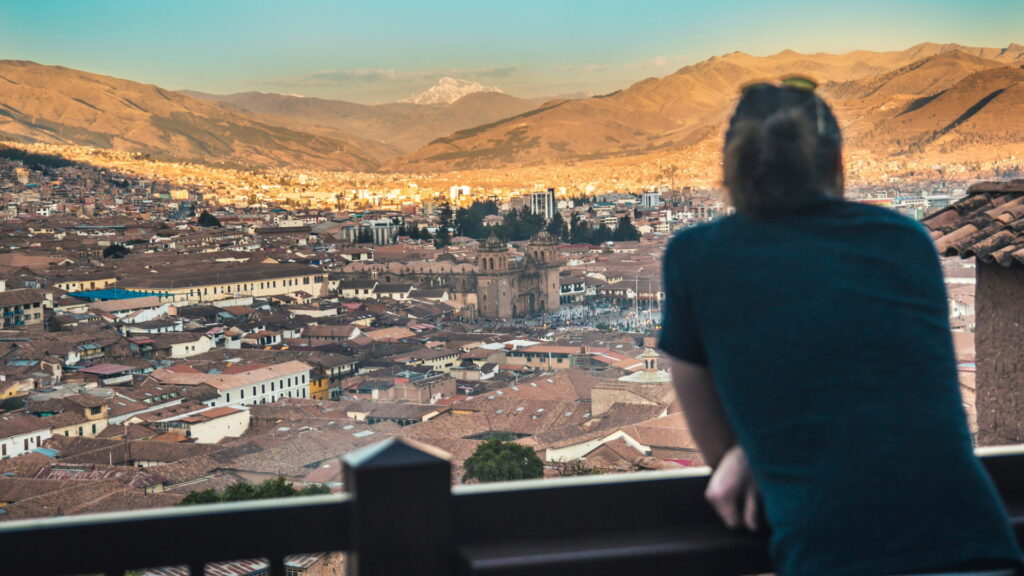
Acclimatization: The Crucial First Step : We strictly advise and incorporate into our recommendations a minimum of 2 full days of acclimatization in Cusco (3,400 m / 11,155 ft) or the Sacred Valley prior to starting the trek. This is the single most effective way to prevent severe altitude sickness. For practical aid, we also discuss the use of traditional remedies, like the coca leaf (mate de coca), and its cultural significance in the Andes. For a deeper dive into this topic, refer to our guide on How to Avoid Altitude Sickness in Peru: Your Essential Guide .
3. Comprehensive First Aid and Trauma Kit Protocol
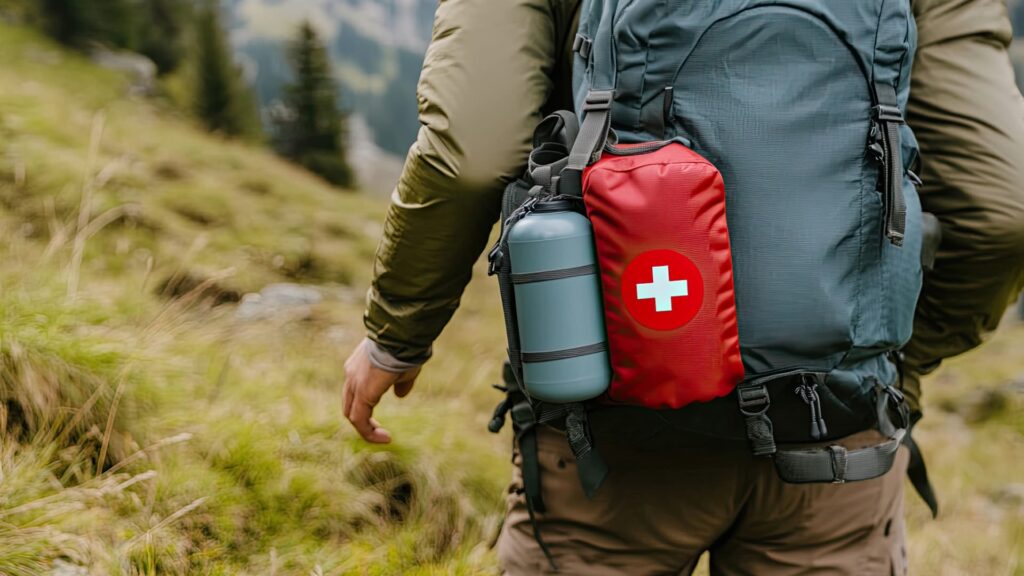
Immediate response in the mountains depends entirely on the specialized equipment available and the clear protocol for its use. Our standard goes significantly beyond basic supplies to handle true wilderness emergencies.
-
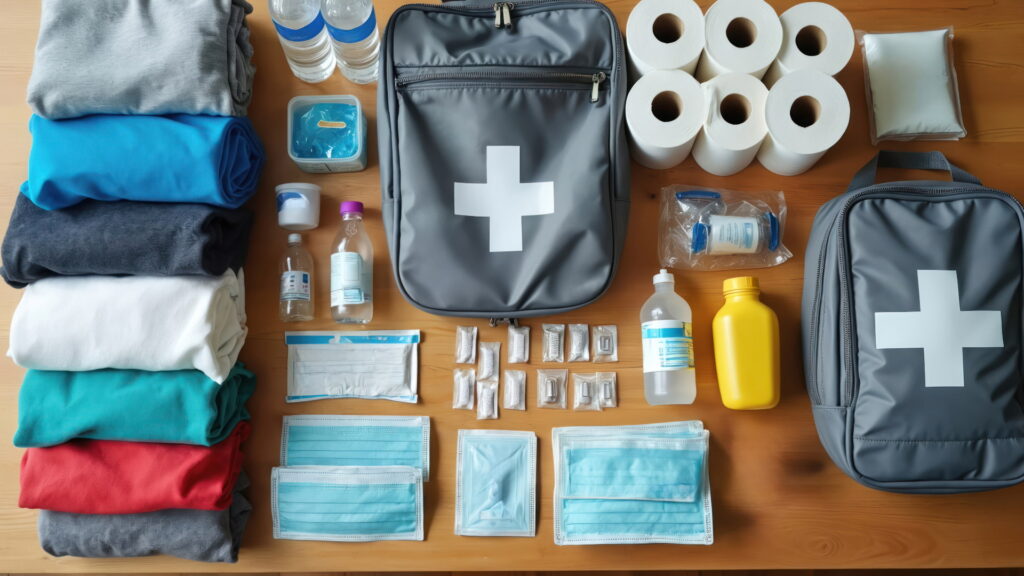
Specialized Equipment : Our gear always includes a compressed, portable Oxygen Tank to immediately treat severe altitude symptoms. The WFR Standard Trauma Med Kit is comprehensive, containing diagnostic equipment like a pulse oximeter and life saving medications (such as Dexamethasone and Nifedipine), used strictly under WFR/medical criteria. Furthermore, an integrated Spinal/Evacuation Stretcher is carried to ensure the safe and proper transport of any patient with suspected spinal injury or limited mobility to the nearest extraction point.
4. Rapid Evacuation Protocol and Support Logistics
An effective emergency plan must not only treat the injury but also remove the patient from the remote trail efficiently and quickly. Time is critical when dealing with medical emergencies at high altitude.
-
Communication and Coordination : Our guides carry Satellite Communication Devices or long-range radios to contact our Cusco base and coordinate evacuation immediately from areas with no cell service. Our dedicated 24/7 Office Support team manages the logistics of transferring the individual from the closest access point (like Aguas Calientes) to a high level clinic in Cusco quickly. This is achieved by following pre-defined, detailed evacuation routes and protocols established years in advance.
5. Active Health Monitoring and Post-Emergency Liaison
Altitude Sickness is the most common risk on the Inca Trail. Our final protocol actively monitors and supports the hiker until full recovery or stabilization, ensuring continuity of care.
-
Monitoring and Liaison : Our WFR guides perform Active Monitoring through oxygen saturation (SpO2) and pulse checks on all group members morning and evening, and after high passes. This routine vigilance allows for early detection and intervention, often preventing serious issues before they escalate. Our office team then provides Hospital Liaison during an evacuation, handling all ground logistics, clinic admission, translation support, and maintaining contact with the traveler’s emergency contacts and insurance providers. We strongly advise travelers to review our comprehensive Booking Policy before reserving their spot.
Ready to Trade Your Routine for the Horizon?
Choosing Peru Hikers means selecting an experience where every step, from the first inquiry to the final descent, is guided by expertise and an unbreakable commitment to your safety. We ensure that our comprehensive Inca Trail emergency protocol supports your entire adventure.
If you seek the ultimate secure and rewarding experience, consider joining our The Legendary Classic Inca Trail tour. We are ready when you are.
Follow our adventures and share your journey on Instagram!