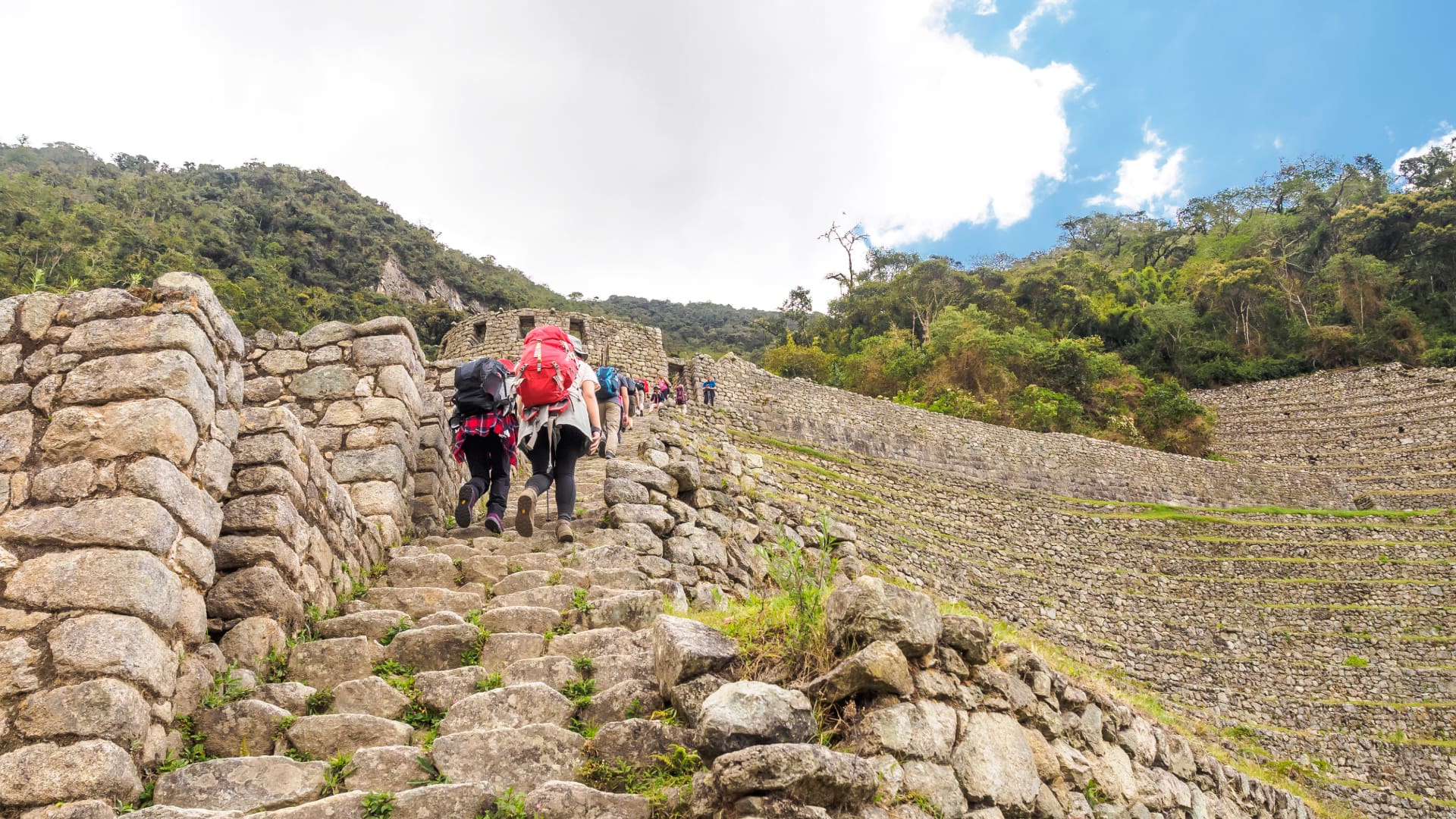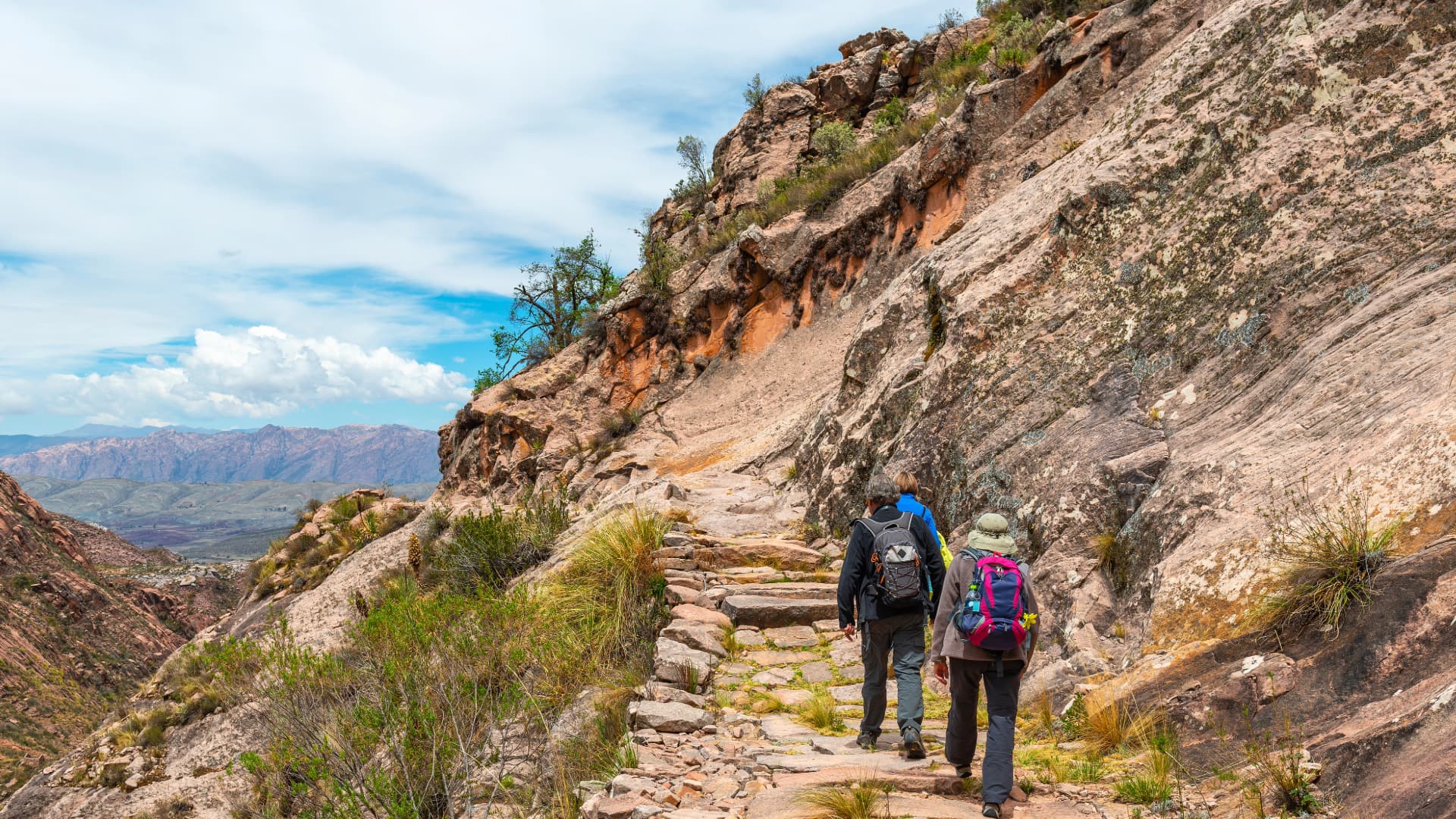

First of all, the choice between the salkantay trek vs lares trek is the essential first step toward your epic Andean adventure. While the Classic Inca Trail is the most famous, its high demand and permit restrictions have consequently led travelers to seek equally espectacular, and often more profound, alternatives. When facing this decision, you are choosing between two very different experiences. In other words, are you chasing a supreme physical challenge amid diverse natural wonders, or a quieter cultural immersion through traditional Andean villages? Ultimately, the stunning citadel of Machu Picchu awaits at the end of either path. Therefore, this expert comparison from Peru Hikers will guide you to the perfect trek for your style of adventure.
The Salkantay Trek: The Wild and Challenging Expedition
Initially, the Salkantay is not just a hike; it is a pilgrimage through dramatic, shifting landscapes. Indeed, named after the majestic Apu Salkantay one of the highest and most sacred peaks in the Peruvian Andes this trek is designed for the fit and adventurous traveler seeking a high-altitude challenge. The classic route is typically completed in 5 days, traversing more than 70 kilometers of incredible terrain. Specifically, it begins in high alpine wilderness, crosses the frigid Salkantay Pass, and then descends dramatically into lush, warm cloud forests and tropical valleys. Consequently, it is this sheer diversity, from snow-capped peaks to jungle floors, that makes the Salkantay a world-renowned experience.
Key Highlights of the Salkantay:
- The Salkantay Pass: The highest point of the trek, reaching approximately 4,630 meters (15,190 ft). Conquering this pass is a major physical and psychological achievement.
- Humantay Lake: A breathtaking turquoise lake nestled beneath the Humantay peak, visited early in the trek.
- Diverse Ecosystems: The path transitions from glacial moraine to sub tropical valleys, allowing trekkers to experience the vast biodiversity of the Peruvian Andes.
- Proximity to Machu Picchu: The Salkantay route takes you closer to Machu Picchu via the town of Aguas Calientes, with no long train ride required.
The salkantay trek vs lares trek debate often centers on physical demands. If you are an experienced hiker who thrives on pushing limits and desires constant, dramatic shifts in scenery, the Salkantay is your perfect match. Our Salkantay Trek to Machu Picchu 5D/4N is meticulously organized to balance the difficulty with comfort and safety, ensuring a safe and rewarding journey through this demanding environment.

The Lares Trek: The Cultural and Community Immersion
However, in stark contrast to Salkantay’s demanding physical focus, the Lares Trek offers a profound cultural experience. For example, often referred to as the “Weaver’s Route,” the path takes you deep into the Lares Valley, far from the typical tourist crowds. Consequently, this trek is less about high altitude endurance and moreover more about gentle trekking through picturesque farming communities. The main reward here is the authentic interaction with Quechua-speaking locals who maintain ancient traditions, live in traditional stone houses, and are famous for their high-quality textiles.
The Weaver’s Route: A Cultural Deep Dive
The Lares trek offers a genuine cultural exchange. Specifically, you will hike past villages, schools, and farmlands, with unique opportunities to interact and learn from Andean communities. This is an unparalleled experience in living Andean culture. You get a direct window into the lives of local families, which is the primary highlight for many travelers choosing the Lares route.
Lares Trek: Serenity and Logistical Perks
Furthermore, the Lares Trek involves lower physical demand than Salkantay. While still reaching high points (some routes cross passes near 4,400 meters / 14,435 ft), the daily trekking distances are generally shorter and the trail is less relentlessly steep than Salkantay. Due to its focus on cultural immersion and the varied route options, the Lares Trek sees significantly less foot traffic than the Salkantay, offering a more peaceful experience. Additionally, the trek often begins or ends with a relaxing stop at the natural thermal baths in the town of Lares, providing therapeutic relief for tired muscles. The Lares Trek is an excellent option for those who prioritize a connection with the local people and want a beautiful, but less taxing, physical journey. It’s also a viable choice during the shoulder seasons as the trail is generally more protected from heavy snowfall. Afterward, once the trek is complete, travelers typically transfer to Ollantaytambo to catch a scenic train to Aguas Calientes to visit Machu Picchu. The Lares Trek is the ideal choice for travelers who seek serenity and a window into the soul of the Peruvian highlands.
Comparative Matrix: Salkantay Trek vs Lares Trek
To help Alex, the Adventurer, make the final choice, therefore, here is a direct comparison of the key elements of the salkantay trek vs lares trek options:
| Feature | Salkantay Trek (Wild & Challenging) | Lares Trek (Cultural & Peaceful) |
|---|---|---|
| Duration | Typically 5 Days/4 Nights | Typically 4 Days/3 Nights |
| Physical Difficulty | Challenging/Difficult | Moderate/Manageable |
| Highest Point | Salkantay Pass ( 4,630m) | Condor Pass/Highest Abra ( 4,400m) |
| Main Scenery | Glacial peaks, alpine lakes, tropical cloud forest, jungle. | Green valleys, potato fields, traditional villages, thermal baths. |
| Cultural Focus | Low (Minimal interaction with communities) | High (Direct interaction with local families) |
| Crowd Level | High (Very popular, bustling campsites) | Low (Off-the-beaten-path, very peaceful) |
| Accommodation | Standard camping or glamping domes (depending on package) | Standard camping or basic community lodges |
| How to Reach Machu Picchu | Hiking (Hydroelectrica route) or short train ride | Train ride from Ollantaytambo/Sacred Valley |
The Non-Negotiable Factor: Altitude Acclimatization
Regardless of the trail you choose, both routes demand a sufficient degree of physical fitness. Crucially, acclimatization in Cusco is absolutely essential for either route, since both the Salkantay and Lares treks reach elevations well over 4,000 meters. Consequently, for all high-altitude treks, make sure you know How to Avoid Altitude Sickness in Peru? by spending at least two to three days in Cusco beforehand. Remember that preparing your body for the altitude ensures a safer, more enjoyable, and ultimately more successful expedition.
Conclusion: Which Trek is Right for You?
The choice between the salkantay trek vs lares trek options ultimately depends on your priority: nature and challenge, or culture and community.
Choose the Salkantay Trek if:
- You are an experienced, fit hiker ready for a rigorous physical challenge.
- You want dramatic, world-class mountain scenery and crave the feeling of true expedition.
- You prioritize reaching the highest point and seeing the most diverse range of ecosystems.
Choose the Lares Trek if:
- You are looking for a beautiful trek but prefer a moderate physical challenge.
- Your primary goal is authentic, deep cultural immersion with local Andean communities.
- You prefer quieter trails and the serenity of being truly off-the-beaten path.
No matter your choice, Peru Hikers ensures a safe, authentic, and unforgettable journey to the lost city of the Incas. Both alternatives are incredible gateways to Machu Picchu, each offering a unique window into the heart of the Andes. Ready to book your adventure?
Book Your Expedition Today!