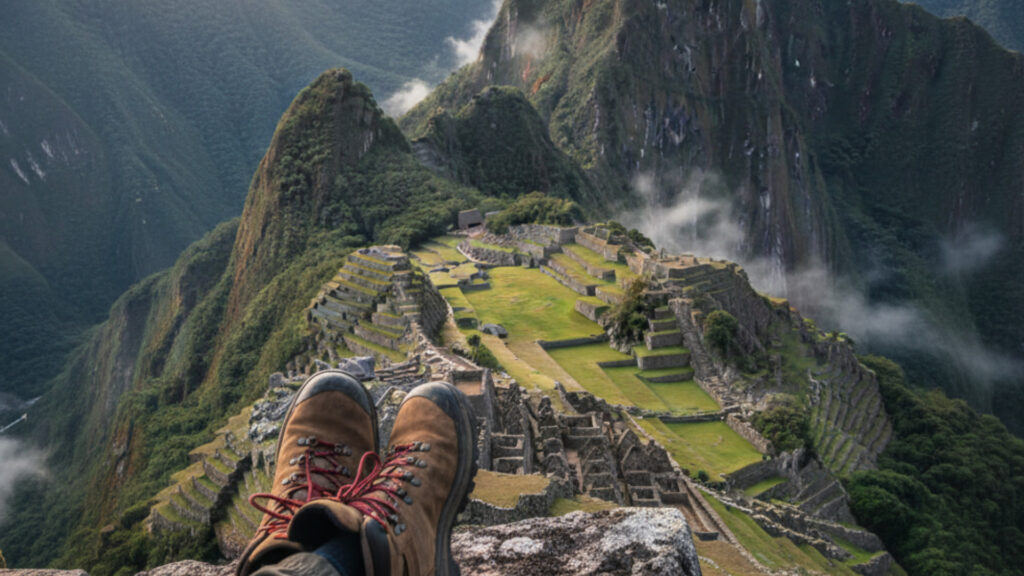

Choosing the best hiking boots for the Inca Trail is the most critical gear decision you will make. Your footwear is the foundation of your entire journey to Machu Picchu. With the right boots, you can conquer ancient stone paths with confidence. With the wrong ones, every single step can become a painful challenge. As guides who walk these trails weekly, we have seen which boots succeed and which fail. This expert guide will ensure you make the right choice for this adventure of a lifetime. We want you to focus on the incredible views. Let us help you take care of your feet so they can carry you there safely.
Why the Inca Trail Demands Specific Trekking Footwear
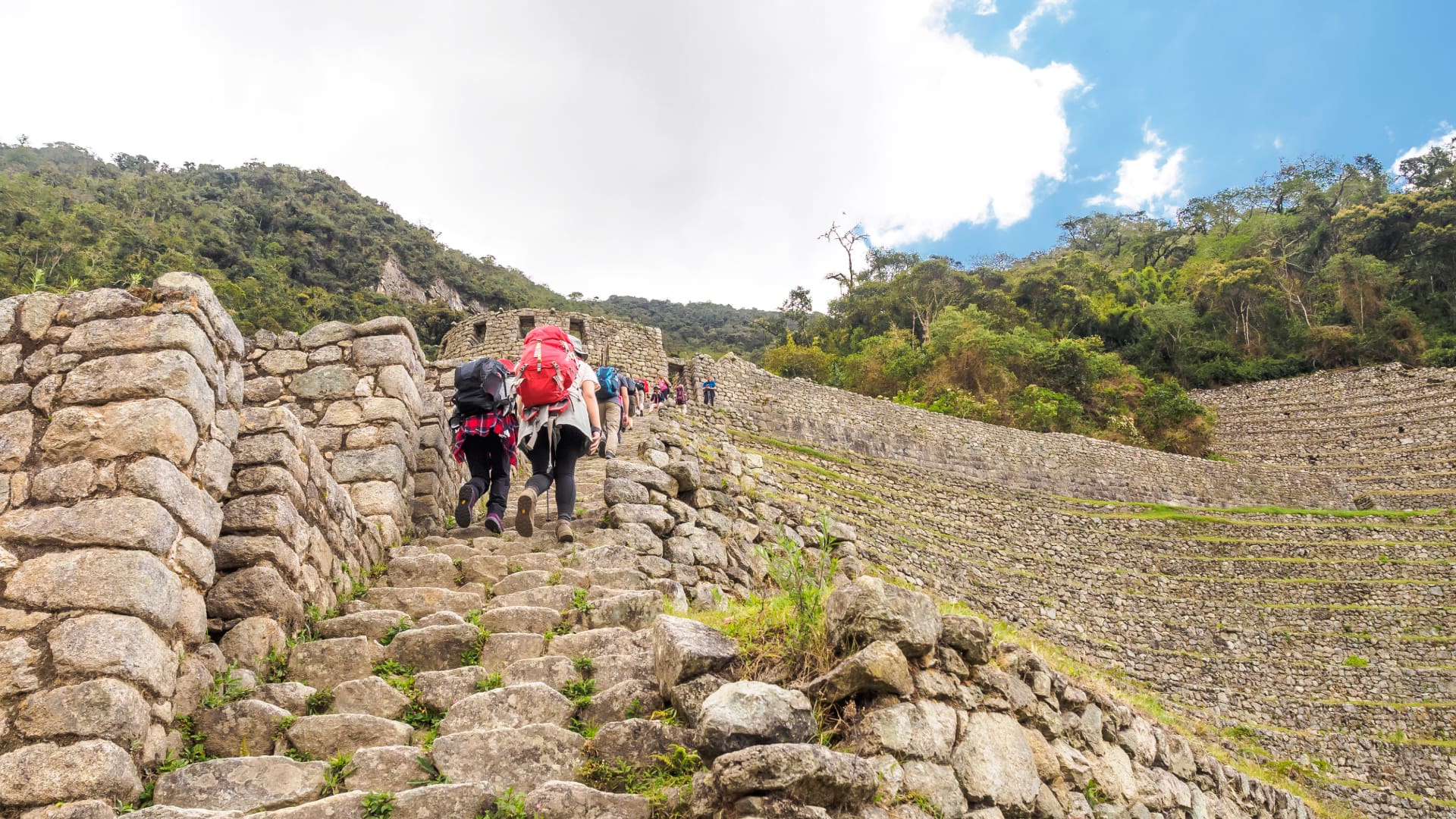
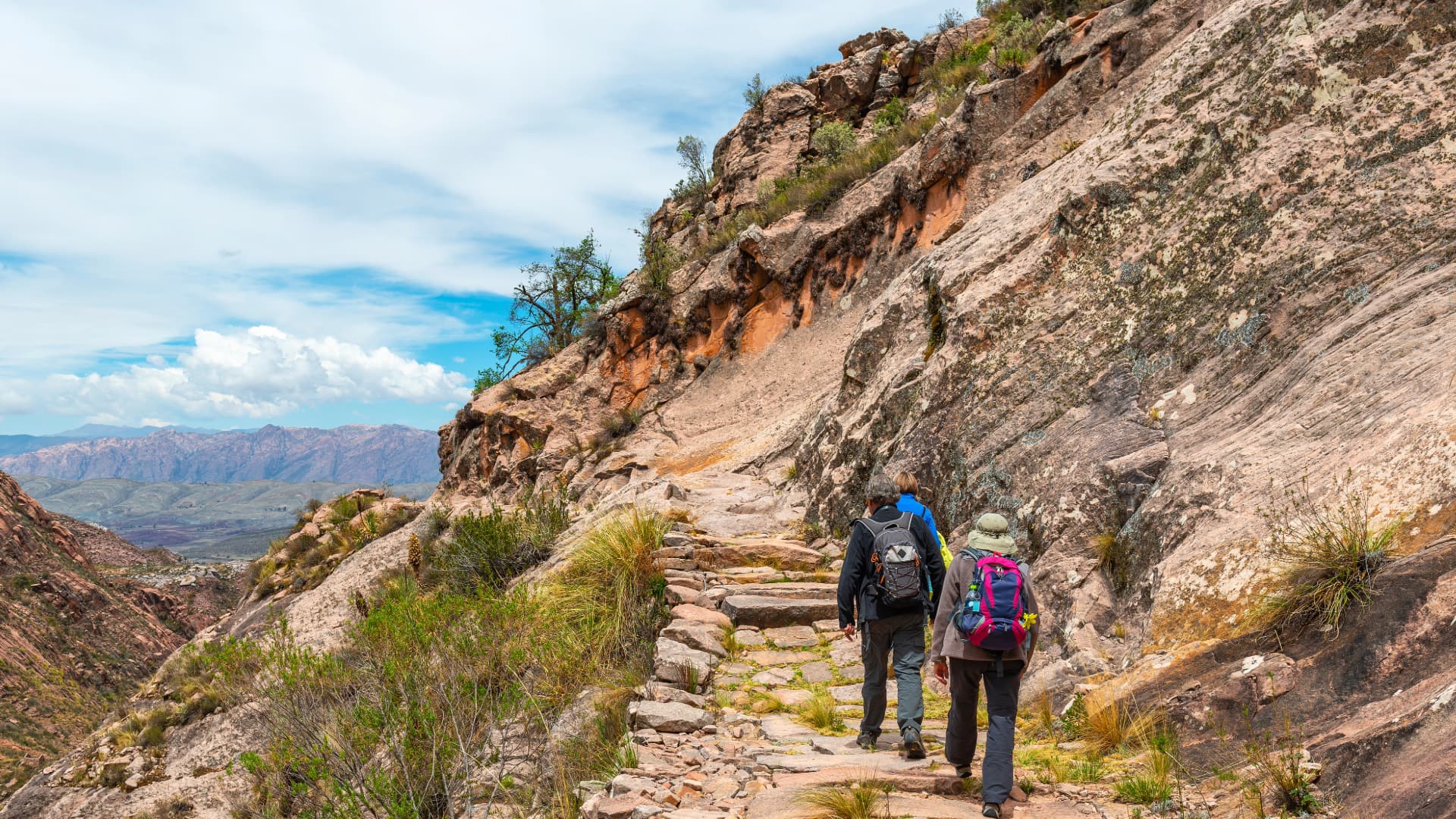
The Inca Trail is not a typical hike. The path itself is a marvel of Inca engineering, but it demands respect and proper gear. You will navigate thousands of stone steps, many of which are uneven and can become slick with rain. This terrain is far more challenging than a standard dirt trail. The constant impact, especially on descents, puts significant strain on your joints.
Furthermore, the trail takes you through diverse and demanding microclimates. You will ascend to high-altitude passes like Dead Woman’s Pass at 4,215 meters. Later, you descend into the humid, warm cloud forest. This drastic shift requires footwear that handles cold, rain, and humidity effectively. Your standard hiking shoes might not provide the necessary resilience for these changes.
This journey is a true expedition. Your choice in footwear should match its seriousness. Proper acclimatization is also crucial, so you should learn about Navigating Cusco’s Altitude . Preparing well ensures you can meet and enjoy the challenge ahead.
Key Features for the Best Hiking Boots for the Inca Trail
When selecting the perfect footwear, we stress three essential features. Consider these the holy trinity of a successful Inca Trail experience. Getting them right is the difference between enjoying the journey and simply enduring it. We have seen countless hikers arrive with lightweight trail runners. They often regret their choice on the rugged terrain, which demands a more robust solution.
Your boots are your primary tool for safety and exploration. Investing in a pair that excels in support, waterproofing, and grip is an investment in your success. These features protect you from the elements and the trail itself. They allow you to walk with a firm, confident stride to the Sun Gate. Let’s break down your ideal trekking shoes for Peru.
Ankle Support: Non-Negotiable for Inca Trail Shoes
This is our number one rule for a reason. The risk of a rolled ankle on the trail’s uneven stone steps is significant. We strongly recommend boots with a mid or high-cut design. This structure provides a rigid cuff around your ankle, acting like a brace to prevent dangerous twists.
On long descents, your muscles will get tired, which is when most injuries happen. A supportive boot compensates for this fatigue, keeping your ankle stable. This prevents not just a trip-ending injury, but also the micro-instability that leads to soreness. By keeping your foot secure, the boot allows for a more efficient transfer of energy with every step. You will feel less tired at the end of each day.
Waterproofing: A Must-Have for Your Machu Picchu Boots
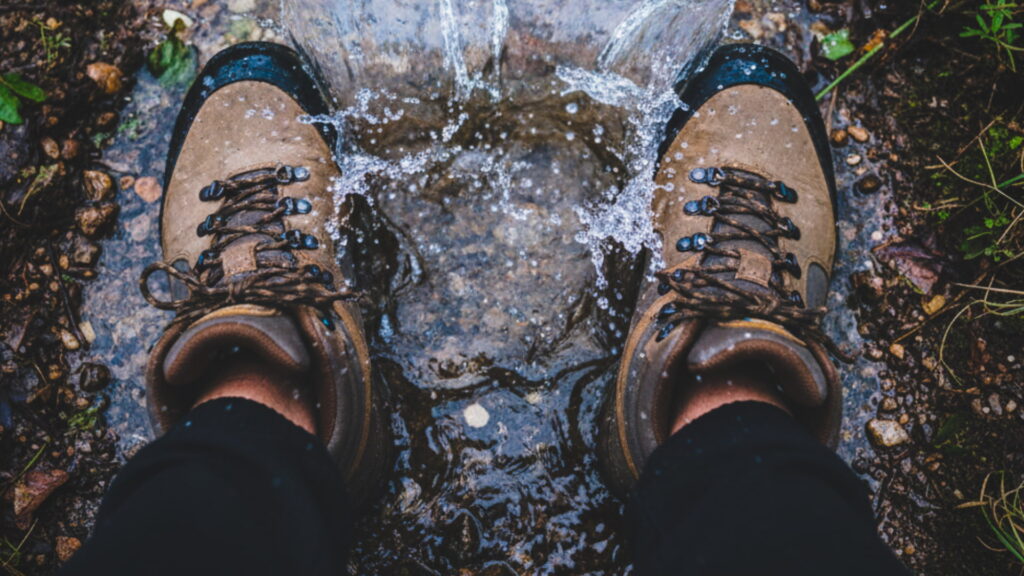
The Andean weather is notoriously fickle. A sunny morning can turn into a rainy afternoon without warning. A waterproof yet breathable membrane, like GORE-TEX, is essential, especially as the trail descends into the humid cloud forest.
Wet feet are a hiker’s greatest adversary, leading to blisters and discomfort. A quality waterproof membrane creates a barrier against external moisture, keeping your feet completely dry. At the same time, it allows sweat vapor to escape. This breathability is key to preventing the clammy feeling that causes friction. It is a vital feature for your journey on the famous Classic Inca Trail .
Superior Traction: Essential Grip for Peru’s Ancient Trails
Many sections of the Inca Trail are made of stone polished smooth over 500 years. Add moisture, and they can become incredibly slippery. The outsole of your boot is your connection to the ground and it must be reliable.
We advise looking for boots with deep, aggressive, multi directional lugs. These thick rubber patterns act like teeth, biting into the terrain. A durable rubber compound from a reputable brand like Vibram is the gold standard. Good traction is critical for preventing slips and falls, especially on steep descents. A confident footing allows you to maintain a natural pace and lift your gaze to the stunning vistas around you.
How to Break In Your Hiking Boots Before Your Peru Trek
Showing up with new boots is the most common mistake we see. It is a guaranteed path to painful blisters that can jeopardize your trip. You must break in your Inca Trail footwear for at least one month before you travel.
Start by wearing them at home for a few hours daily, then take short walks on pavement. After a week, graduate to longer walks on hills or local park trails. The goal is to complete several hikes on rough terrain, similar to the Rainbow Mountain Hike .
This process molds the boots to your feet, softens stiff materials, and reveals any potential “hot spots.” Always practice with the same wool or synthetic socks you will wear on the trek. This crucial preparation step is the single best way to ensure your comfort.
Final Checklist for Your Inca Trail Hiking Boots
Choosing from dozens of options at a store can be confusing. To simplify your decision, use this expert-approved checklist. It covers the essential points for selecting the best hiking boots for the Inca Trail.
- Cut: Is it a mid or high-cut boot? It must cover your ankle bones for support.
- Waterproofing: Does it have a waterproof membrane like GORE-TEX?
- Outsole: Does it have deep, aggressive lugs for traction?
- Fit Test: Try boots on in the afternoon with your hiking socks.
- Sizing: Ensure a thumb’s width of space at the front. Your toes should not hit the end.
- Heel Lock: Your heel must feel secure and not lift when you walk.
- Tongue: A “gusseted tongue” keeps debris and water out.
For a complete list of gear, review our guide on what to pack . Selecting the right boots is a decision you will thank yourself for with every step.
Your Adventure Awaits
Your journey on the ancient paths of the Incas deserves to be incredible. The right footwear is the key to a comfortable and safe experience. By focusing on support, waterproofing, and grip, you prepare for the unique challenges of this world-famous trek.
With proper preparation and the right boots, your focus will remain on the breathtaking landscapes and rich history, not on your feet. The journey of a lifetime awaits.
Ready to put your boots to the test? Book your spot on our expertly guided Classic Inca Trail and walk in the footsteps of the Incas to Machu Picchu.