
The vision of sunrise over the Andean peaks is a powerful call that draws explorers to Peru to live the adventure of a lifetime. However, their journey begins long before reaching the trailhead. The most crucial step is effective high altitude training plan Peru preparation, as this transforms a difficult challenge into a magnificent experience. It allows you to connect with the incredible landscape and, ultimately, enjoy the journey with strength and confidence. This guide is your expert-led roadmap, where we have condensed our years of trekking experience into a complete plan. Follow these steps to arrive in Peru physically prepared and mentally strong for any challenge.

The Unique Challenge: Why Andes Training is Different
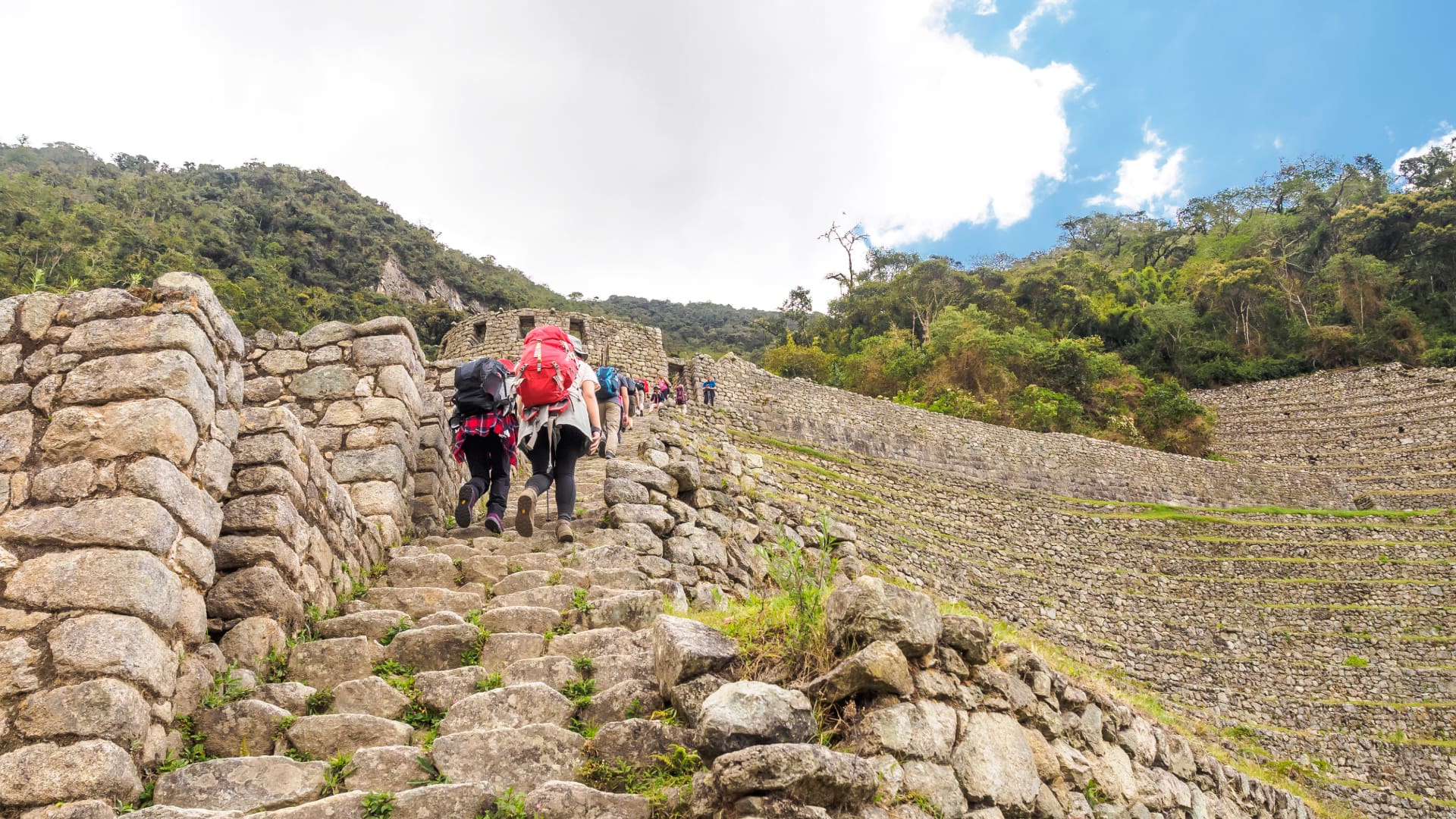
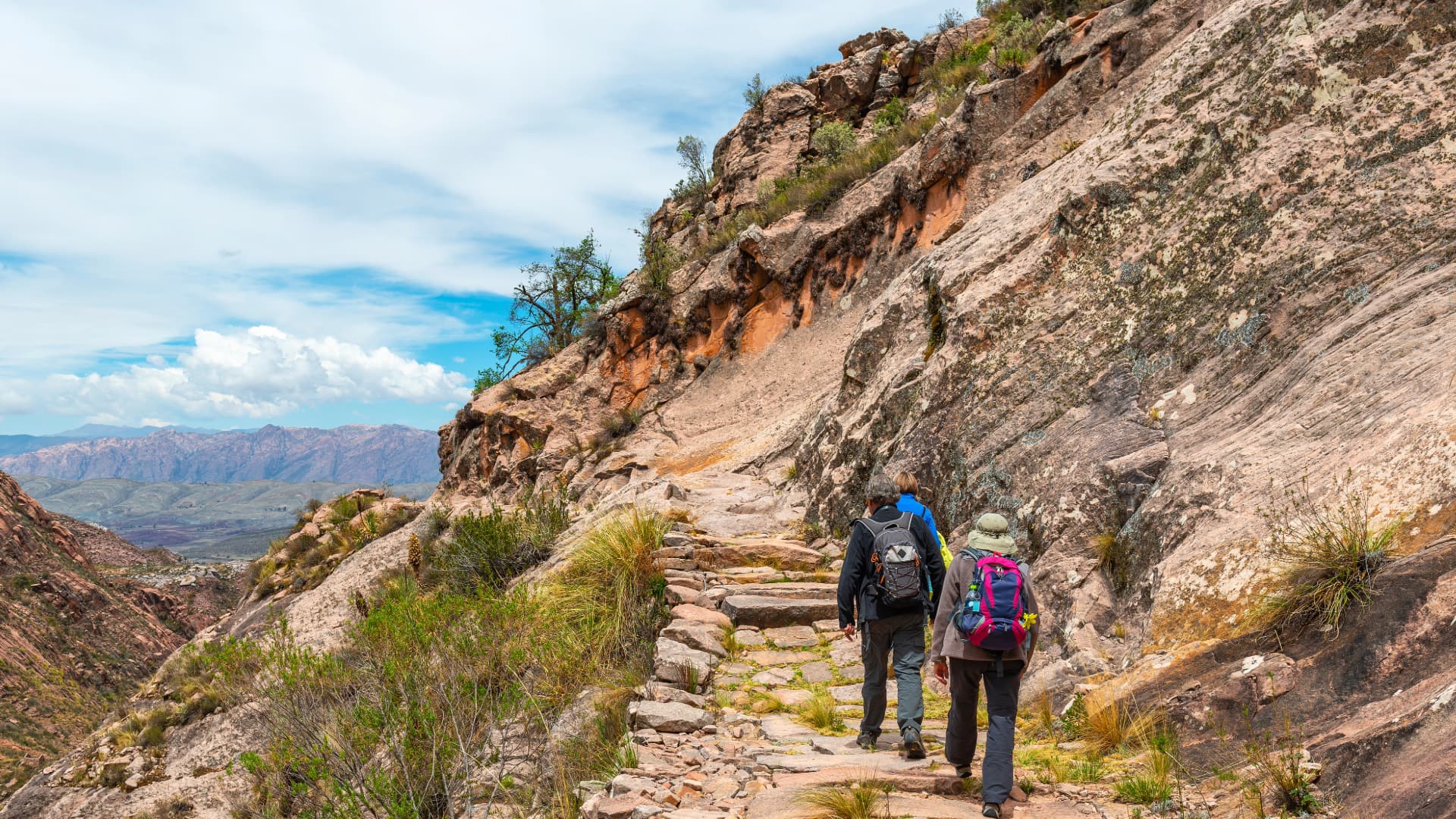
Preparing for a trek in Peru requires a special level of physical fitness, as the environment presents unique challenges. For example, you will face significant and sustained elevation changes as the trails climb and descend thousands of meters. This places tremendous pressure on your legs and joints. In addition, the terrain is rugged and often unpredictable, forcing you to walk along ancient Inca stone paths and rocky trails. Therefore, good balance and a strong core are essential for stability. Above all, the most important factor is the altitude itself. Above meters ( feet), the air contains less oxygen. This means the body must work much harder to perform even simple tasks. For this reason, a generic fitness program is not enough. Effective high altitude trekking training must develop a powerful cardiovascular system, specific muscular strength, and prepare the body for thin air. As a guide, I always tell hikers that trekking poles are not just for balance, they are essential for distributing the load and saving your knees on the thousands of steps down.

The Five Pillars of Your High Altitude Training Plan Peru
A successful high altitude trek is built on a foundation of complete fitness. That’s why we have structured our proven training philosophy around five essential pillars. Each pillar addresses a critical aspect of your preparation. Together, they create a resilient hiker ready for any challenge. Specifically, your engine is developed through cardiovascular endurance. Your chassis is reinforced with strength training. Your body adapts with a smart acclimatization strategy. Your fuel plan is optimized with proper nutrition. Finally, your resilience is forged through mental preparation. Focusing on these five pillars is undoubtedly the most reliable path to the summit. As a result, you will arrive in Cusco feeling strong, well-prepared, and ready for an unforgettable expedition. This comprehensive approach is the key to both your success and your enjoyment.
Pillar 1: Cardiovascular Endurance (The Engine)
Your heart and lungs are the true engine of your trek. That’s why aerobic training is essential for maximizing the use of limited oxygen. It makes your body more efficient at altitude. We recommend cardio sessions per week. Begin with minutes of sustained activity such as running, cycling, swimming, or using an elliptical machine. However, the most effective training is hiking on hills or climbing stairs. Whenever possible, carry your daypack with some added weight. This directly simulates the real demands of the trail. Our most successful hikers focus on consistency over intensity during these months. Showing up three times a week is better than one grueling, exhausting session.
Pillar 2: Strength Training (The Chassis)
Strong muscles protect your joints and prevent injury. Your high altitude training plan Peru should focus on your legs and core. We suggest two strength sessions per week. Note that compound exercises are most effective. For example, include squats, lunges, and step-ups for leg power. Similarly, planks and leg raises are crucial for core stability. Indeed, a strong core is vital for carrying a backpack comfortably for many days. Ultimately, this strength training builds the durable chassis you need for the mountains. You must not neglect the eccentric phase of muscle contraction (the lowering motion in a squat). This is crucial for the steep downhill sections of the Inca trails.

Pillar 3: Acclimatization Strategy (The Master Key)
Without a doubt, this is the most important pillar. You cannot train for altitude at sea level. Acclimatization is the process of your body adapting to lower oxygen. Therefore, rushing this process is a serious mistake. We recommend arriving in Cusco 2-3 days before your trek, as this time is critical. During these days, you should rest, hydrate well, and eat light meals. Gentle walks around the city will also help. Above all, a crucial part of your strategy is understanding the risks. Learn exactly how to avoid altitude sickness in Peru for the best results.

Pillar 4: Nutrition & Hydration (The Fuel)
Proper nutrition optimizes both your training and your performance on the trail. For example, during your preparation, focus on a balanced diet of complex carbohydrates, lean proteins, and healthy fats. Once in Cusco, staying exceptionally hydrated is crucial. Drink 3 to 4 liters of water per day. It’s also important to avoid heavy meals and alcohol. Local coca tea can also help your body adapt to the altitude. In short, proper nutrition is not just a detail; it is essential for success, especially since high altitude can suppress appetite.

Pillar 5: Mental Preparation (The Summit Mindset)
A strong body needs an equally strong mind. Multi-day trekking can be mentally demanding. That’s why you should begin training your resilience now. For example, push yourself a little harder during workouts. Practice hiking in less-than ideal weather conditions. This will build your confidence. In addition, visualize your success on the trail and remind yourself why you chose this incredible adventure. A positive and resilient mindset will undoubtedly help you overcome any challenge the mountain places before you. I often tell hikers that the mind quits 100 times before the body does. Focusing on the next five steps is the trick to reaching any mountain pass.

Your Practical High Altitude Training Plan Peru
This schedule simplifies and clarifies your preparation. In addition, the sample weekly plan below shows how to combine the pillars, providing a roadmap for success. This program is a perfect example of effective training for high altitude trekking.
Table: Example of Your Training Week (Month 2)
| Day | Activity | Duration / Sets & Reps | Pillar Focus |
|---|---|---|---|
| Monday | Strength Training | 3 sets of 15 repetitions | Endurance (Chassis) |
| Tuesday | Running or Cycling | 45–60 minutes | Cardio (Engine) |
| Wednesday | Rest or Active Recovery | – | – |
| Thursday | Interval Training (Hills) | 30–45 minutes | Cardio (Engine) |
| Friday | Strength Training | 3 sets of 15 repetitions | Endurance (Chassis) |
| Saturday | Long Hike with Backpack ( kg / lbs) | 3–4 hours | All Pillars |
| Sunday | Rest or Easy Walk | – | – |
3 Months Out: Building Your Base
First, focus on creating consistent habits. You should aim for three cardio sessions per week. Each should last minutes. Also include two weekly strength sessions. In addition, try to complete a hour hike every other weekend.
2 Months Out: Increasing Intensity
Next, it’s time to expand your base. You should increase your cardio sessions to minutes. Add one interval session per week. In addition, plan for hour hikes every weekend with a weighted backpack.
1 Month Out: Peak and Gradual Taper
Finally, this is your last push. For example, during the first two weeks, complete a long hike on both Saturday and Sunday to simulate a multi-day trek. Then, in the final two weeks, reduce your training by half. Rest now becomes your most important workout.
Your Adventure Begins with Preparation
Your journey to the Andes starts today. It begins with your commitment to smart and effective preparation. In fact, this high altitude trekking training is your investment in the adventure of a lifetime. It ensures you experience every moment with strength and joy. Each workout strengthens your resilience. Every healthy meal fuels your ambition. In essence, you are preparing to face the mountains on their own terms, ready for the challenge. Ultimately, this path leads you to unforgettable views and a profound sense of accomplishment.
Ready to conquer the Andes? The greatest adventures await. Explore the legendary The Legendary Classic Inca Trail or the breathtaking Salkantay Trek to Machu Picchu 5D/4N . Your journey begins now.
Follow our daily tips for training motivation and high altitude health on our community page .