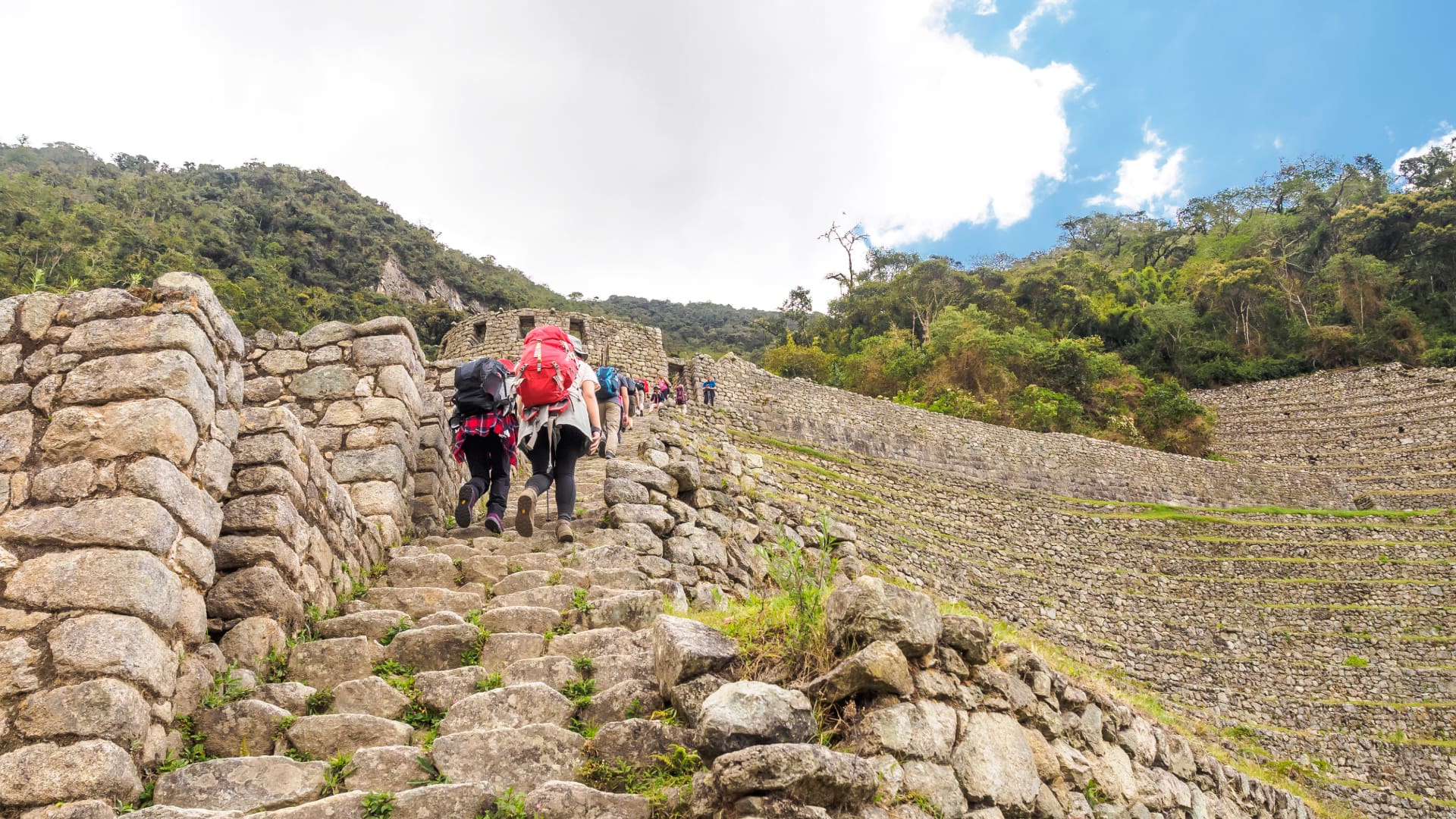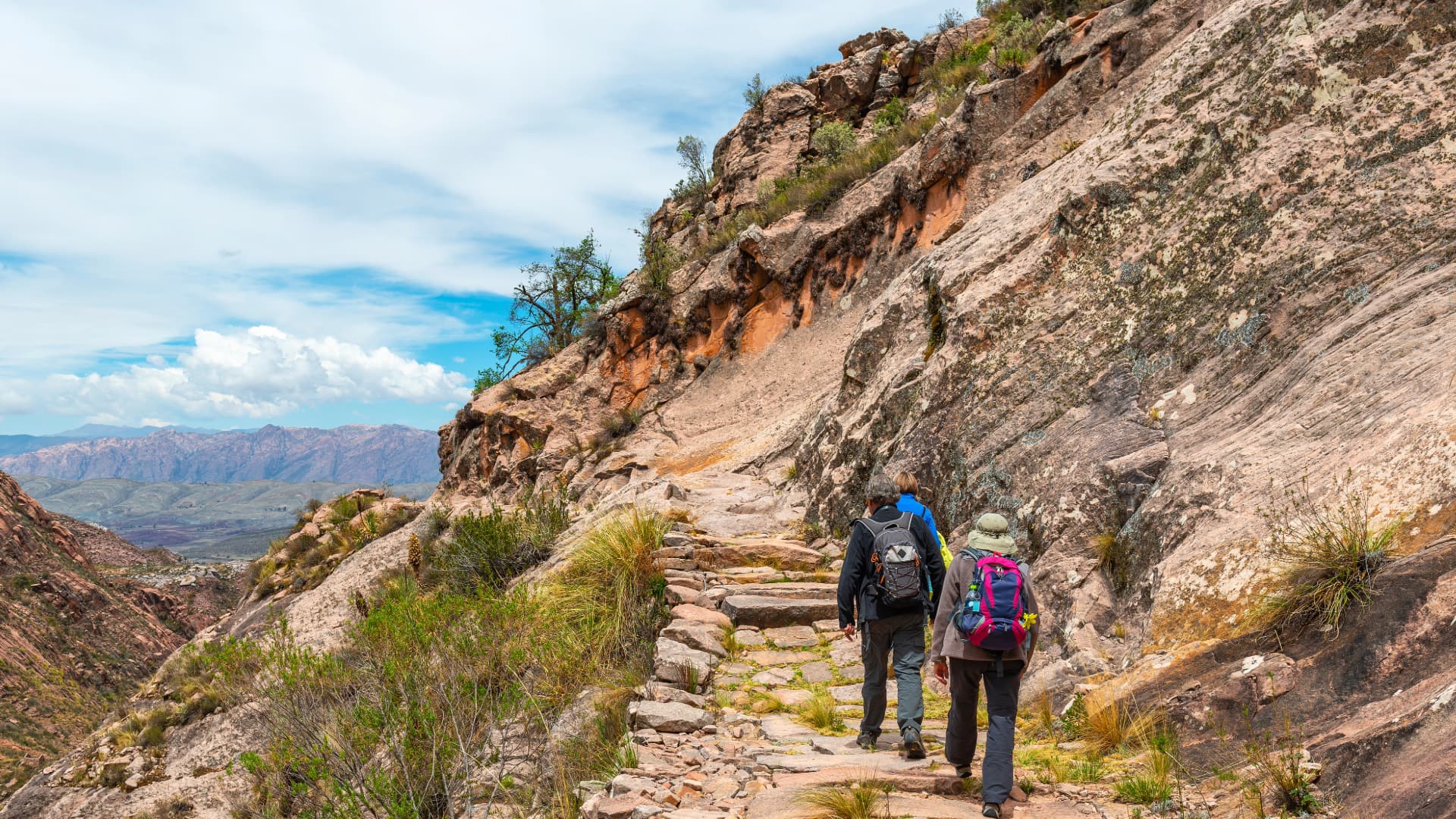

Welcome to Cusco, the heart of the Inca Empire, where every mountain holds a story. Indeed, for centuries, travelers have sought the wisdom of the Andes to conquer the challenges of high altitude. One of the most traditional and culturally significant aids is the coca leaf. As your expert guides, we want you to understand its popular use. We are also eager to share its profound role in Andean culture. We are passionate about the mountain and transmitting that energy and enthusiasm for its history.
However, the practice of chewing, or making an infusion known as mate de coca, is central to acclimatization for many visitors. Consequently, this article will explore the reality of using coca leaves for altitude sickness. Furthermore, we will delve into the leaf’s sacred history. Our goal is to ensure you have a safe, authentic, and well-organized adventure. We always operate with a deep respect for the local cultures and traditions we encounter on every trek, like The Legendary Classic Inca Trail . This is more than a tour; it’s an expedition.
The Sacred History of the Coca Leaf
The coca leaf (Erythroxylum coca) is not just a simple plant; rather, it is a spiritual and cultural pillar of the Andes. Specifically, the Incas revered the plant. They called it the “Divine Leaf” or Mama Coca. In fact, it was used extensively in religious ceremonies, acting as a vital offering to the Apus (mountain gods) to request a safe passage. Also, historically, it served as a form of currency or was reserved as a reward. This reward was given to the elite and laborers performing intense work at high elevations. This profound connection to the land and tradition continues today in the communities we visit. Therefore, when you are in Cusco, you will see the leaf offered everywhere, from hotels to local markets.

The Divine Leaf and Andean Sustenance
But beyond its essential spiritual role, the leaf acts as a mild stimulant. Consequently, when chewed, the leaves release alkaloids. These alkaloids can help alleviate the feelings of fatigue, hunger, and, most importantly, the discomfort associated with altitude. Understanding the leaf’s history is key to approaching its use respectfully and mindfully. This mild, natural boost has been a fundamental part of sustenance for those performing strenuous work at high elevations for millennia. Moreover, travelers preparing for demanding treks should also consult A Hiker’s Guide to Fitness . Therefore, this is a long standing tradition that has sustained our people for millennia.
Coca: From Ritual to Daily Aid
Moreover, the cultural significance of the leaf extends into everyday life. The Mama Coca is deeply intertwined with the identity of the Andean people. For instance, it is present in nearly every ritual, from offering thanks to the Earth (Pachamama) to interpreting the future. For example, during community gatherings, the sharing of the bolo (wad of leaves) is a sign of welcome and respect, establishing trust and kinship. This authenticity is what defines the experience of travelling with Peru Hikers. Thus, recognizing the leaf as a cultural bridge, rather than just a remedy, enriches your entire Peruvian expedition.
The Science and Safety of Using Coca
While the effects of chewing coca leaves for altitude sickness are often reported as helpful, nonetheless, the ritual itself provides significant comfort. Many travelers find that the mental boost and reduction in mild headache symptoms are noticeable. The mild alkaloids are quickly absorbed through the mouth’s mucous membranes, providing a slight uplift. Nevertheless, it is essential to be clear and transparent. The coca leaf is purely a traditional aid, not a comprehensive medical cure or substitute for professional care. It will not stop severe acute mountain sickness (AMS) in its tracks.
For your absolute safety, first and foremost, we always emphasize that proper acclimatization through rest, consistent hydration, and a gradual ascent remains the most effective strategy against AMS. In addition, our protocols are rigorous. They prioritize the safety of our clients above all else. Our standard procedure is to carry emergency oxygen and a full wilderness first aid kit on our treks, prioritizing the well-being of our clients over traditional remedies alone. Clearly, the leaf is a wonderful, traditional friend, but it should never be considered your only defense against high altitude.

Here is a quick breakdown of traditional methods:
| Method | Benefit for Altitude | Cultural Significance |
|---|---|---|
| Chewing (Acullico) | Gradual, subtle release of mild alkaloids to reduce fatigue and mild headaches. | Highly traditional, ritualistic, often practiced in communal settings. |
| Mate de Coca (Tea) | Promotes hydration through warm liquid intake; effect is extremely mild. | Widely accepted in tourist settings, often offered free in hotels. |
| Acclimatization Rest | Allows the body to naturally increase oxygen-carrying red blood cells over days. | None (Modern medical and safety advice). |
How to Use the Sacred Leaf Like an Expert
Using coca leaves for altitude sickness is a simple, yet specific, process in the Andes. You will need a small selection of leaves and an alkaline catalyst. Typically, in the mountains, this catalyst is often llipta, which is ash made from quinoa or banana stalks. The alkaline substance is crucial as it helps to activate the alkaloids within the leaf.
The process is straightforward:
- Place a generous handful of leaves in your cheek, forming a small ball known as a bolo.
- Gently chew the leaves without swallowing the shredded plant material.
- Then, carefully add a small piece of the llipta catalyst to your wad.
The initial, mild, bitter taste of the leaves will become more pronounced. You should feel a slight, temporary numbness in your mouth. You will simply experience a gentle, warming sensation and a mild suppression of appetite, which is helpful on long days of trekking. Importantly, the leaf is not psychoactive in this form. In line with the Andean tradition, it is common to share the leaf with the Earth (Pachamama) before beginning a long walk, offering the first one or two leaves as a sign of deep respect and to ask for a good journey to your destination. This simple act is a beautiful way to show respect for the local culture.

Are you ready to truly disconnect from the routine and challenge yourself physically and mentally in the majestic Andes? Discover the historic town of Ollantaytambo and the Inca terraces by exploring our Full Day Sacred Valley Tour . This lower altitude tour is excellent for starting your acclimatization safely.
If you have questions about packing lists, insurance, or general mountain safety, check out our comprehensive guide to PERU HIKERS Travel Info .
Follow us for daily doses of Andean majesty and cultural insights.