
Welcome to Cusco, the historic heart of Peru, known for its breathtaking elevation and rich cultural heritage. Navigating the Cusco’s altitude can be a challenge for first-time visitors. This guide is packed with practical tips for Cusco altitude first timers to help you acclimatize smoothly.
Cusco’s elevation, over above sea level (over ), presents unique experiences and challenges. Altitude sickness is common, but manageable with the right approach. Our tips will ensure a comfortable and memorable visit.
From dietary adjustments to pacing your activities, we cover all you need to know. We’ll share local secrets for altitude adjustment and health care advice. Embrace Cusco’s charm without the discomfort of altitude sickness. Prepare for an unforgettable journey in the Andean city. Follow these guidelines to fully enjoy Cusco’s stunning landscapes and rich history. Happy travels and get ready for our Sacred Valley and Machu Picchu Tour !
Acclimatizing to Cusco’s High Elevation: Essential Advice for Newcomers
Arriving in Cusco, the ancient capital of the Inca Empire, is a breathtaking experience, both metaphorically and literally. Situated at over (over ), Cusco’s altitude often catches visitors by surprise. It’s common to experience shortness of breath and other symptoms as your body adjusts.
The key to acclimatizing effectively lies in understanding and respecting Cusco’s altitude. Slow and steady should be your mantra when you arrive in Cusco. Allow your body time to adapt to the thinner air and lower oxygen levels. For a deeper dive, read our comprehensive guide on How to Avoid Altitude Sickness in Peru .
One of the first signs of altitude sickness in Cusco is shortness of breath. You might also experience dizziness or fatigue. These symptoms are normal and usually decrease as you acclimatize.

Hydration and Diet: Your Allies in Acclimatization
Drink plenty of water to combat the effects of Cusco’s altitude. Hydration plays a crucial role in helping your body adjust. Avoid alcohol and caffeine, as they can dehydrate you and worsen altitude sickness symptoms.
Eating light meals also aids in adjusting to Cusco’s altitude. Heavy foods can strain your digestion, already taxed by the high elevation. Choose carbohydrates for energy and avoid overly processed foods. Incorporating local foods like quinoa and fresh vegetables can also be beneficial. These nutritious options support your body’s adjustment to the high altitude.
Gradual Exploration: The Key to Enjoying Cusco and Beyond
Upon arrival, resist the urge to immediately explore famous sites like Machu Picchu or the Sacred Valley. Give your body a day or two to adjust to Cusco’s altitude. This precaution can make a significant difference in your overall experience.
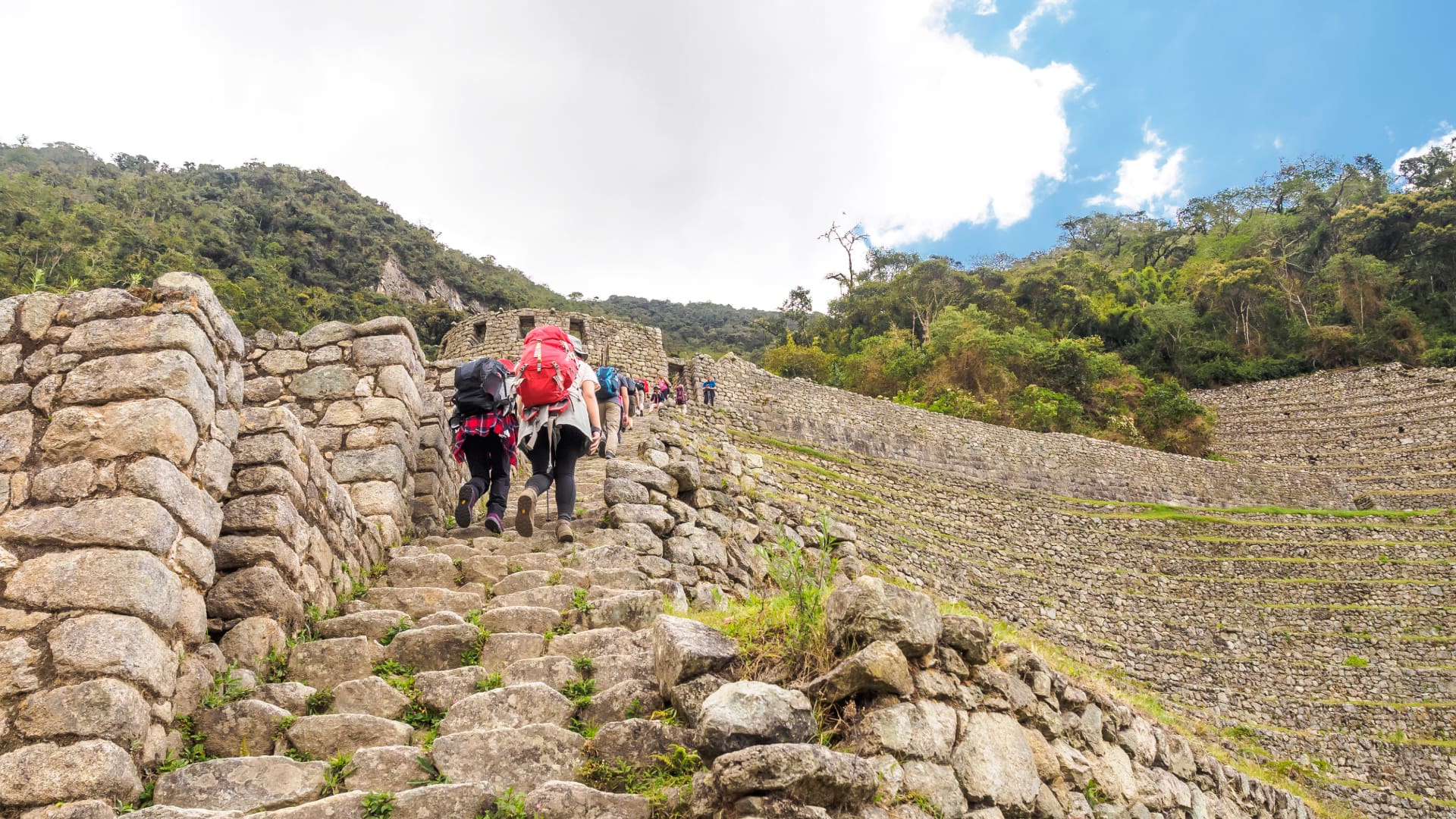
After acclimatizing, you’ll be ready to explore the wonders of the Inca Trail. This iconic hike is more enjoyable when you’re fully adapted to the altitude. The beauty of Machu Picchu and the Sacred Valley unfolds more enjoyably with a well acclimatized body. Walking around Cusco itself is a good way to acclimatize. Consider a gentle Cusco City Tour Half Day ; the city, rich in Inca and colonial history, offers much to see at a gentle pace.
Health Tips for High Altitude Adventure
Listen to your body while acclimatizing to Cusco’s altitude. If symptoms of altitude sickness in Cusco persist, seek medical advice. Health professionals in Cusco are well-versed in dealing with altitude-related issues.
In case of severe shortness of breath or other alarming symptoms, oxygen therapy is readily available. Many hotels in Cusco offer oxygen support for guests struggling with the altitude. Remember, everyone’s body reacts differently to high elevations. Don’t compare your acclimatization process with others’. Focus on your own health and well-being.

Maximizing Your Cusco Experience: Overcoming Altitude Challenges
Traveling to Cusco, Peru, located at a staggering above sea level, offers an adventure like no other. Known for its rich history and stunning landscapes, Cusco’s altitude can be a hurdle for many. But with the right strategies, you can overcome these challenges and enjoy your trip to the fullest. Understanding the symptoms of altitude sickness is crucial for a comfortable stay in Cusco. Symptoms often include headaches, nausea, and fatigue, signaling your body’s adjustment to higher altitudes. By recognizing these early signs, you can take proactive steps to mitigate them.
It’s important to pace yourself during your first few days in Cusco. Overexertion at high altitudes can exacerbate symptoms of altitude sickness. Allow your body the time it needs to acclimatize to the thin air of South America’s Andes.

Adapting to the Altitude: Practical Tips for First Timers
While in Cusco, Peru, avoid the temptation to drink alcohol, especially upon arrival. Alcohol can increase the likelihood of experiencing altitude sickness and can delay your acclimatization process. Staying hydrated with water is a far better choice for your body at high altitudes.
Chewing coca leaves is a traditional remedy used by locals to combat altitude sickness. These leaves can help alleviate symptoms and are widely accepted in Cusco. You can find them in most local markets and stores.
Incorporating light and regular physical activities into your routine can aid in acclimatization. Gentle walks around Cusco, Peru, help your body gradually adapt to the city’s altitude. This approach is particularly effective for preparing for more strenuous activities like climbing Huayna Picchu.
Exploring Cusco’s Wonders: Beyond the Altitude
Once acclimatized, Cusco’s altitude becomes a backdrop to an array of cultural and historical experiences. The city offers a gateway to iconic sites like Machu Picchu and the Sacred Valley. These attractions are more enjoyable when you’ve adapted to the altitude. Cusco, Peru, is not just about historic sites; its vibrant culture and cuisine are equally captivating. Engaging with the local community adds depth to your travel experience. Try the Food of the Sacred Valley and attend cultural events for an immersive experience.
Remember, every traveler’s response to Cusco’s altitude varies. Listen to your body and don’t push beyond your comfort zone. It’s better to take things slow and steady to fully enjoy your trip.
Conquer the Altitude, Conquer the Andes
Cusco awaits, a city rich in history and beauty. While the altitude presents a challenge, it’s a manageable part of the adventure. By following these tips for Cusco altitude first timers, hydration, patience, and a slow pace you will ensure your body is ready for the incredible treks ahead.
Don’t let altitude fears stop you from experiencing the heart of the Inca Empire. We handle the logistics and safety, so you can focus on the journey.
Book your adventure today, knowing you’re prepared for the elevation!