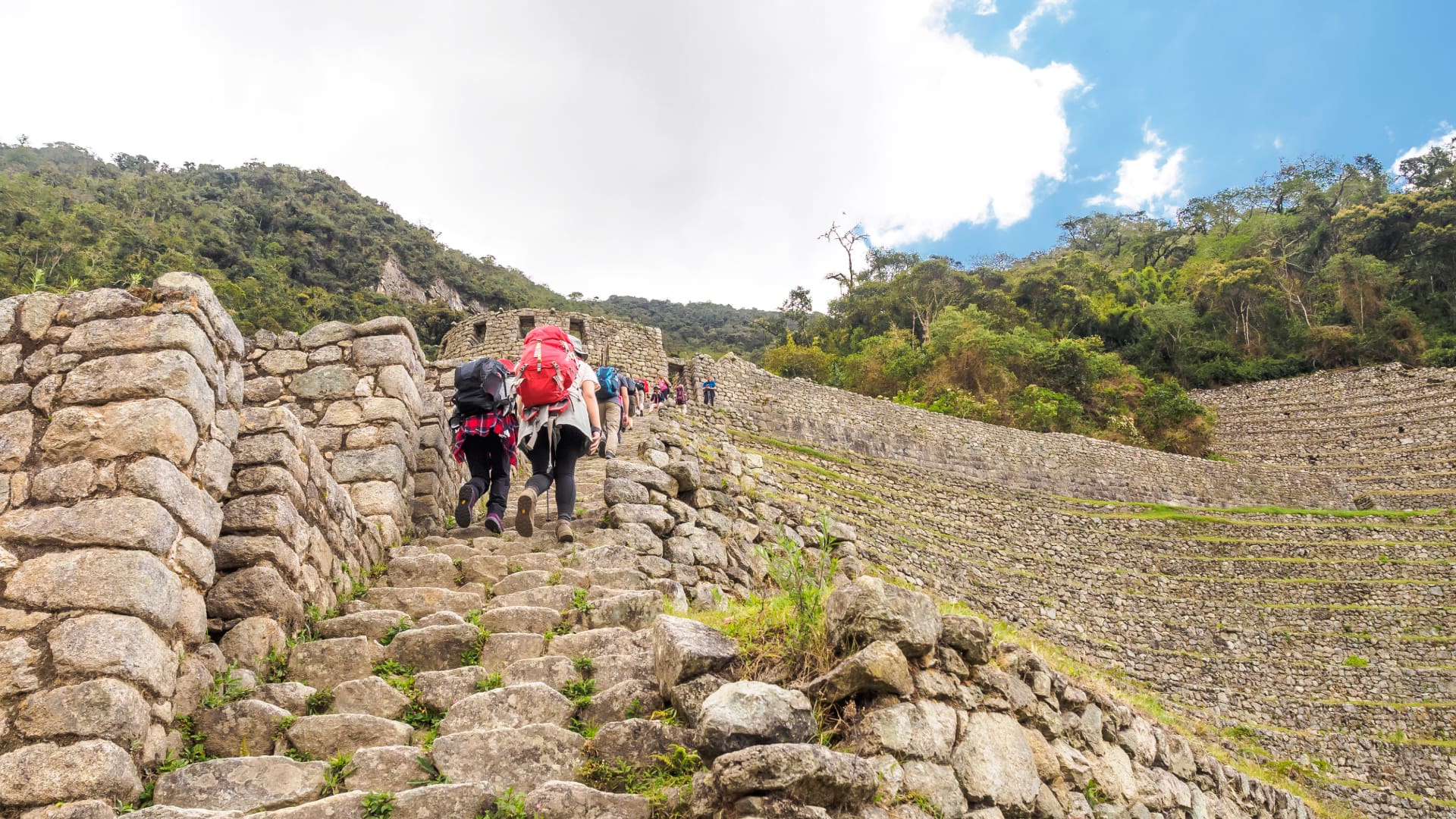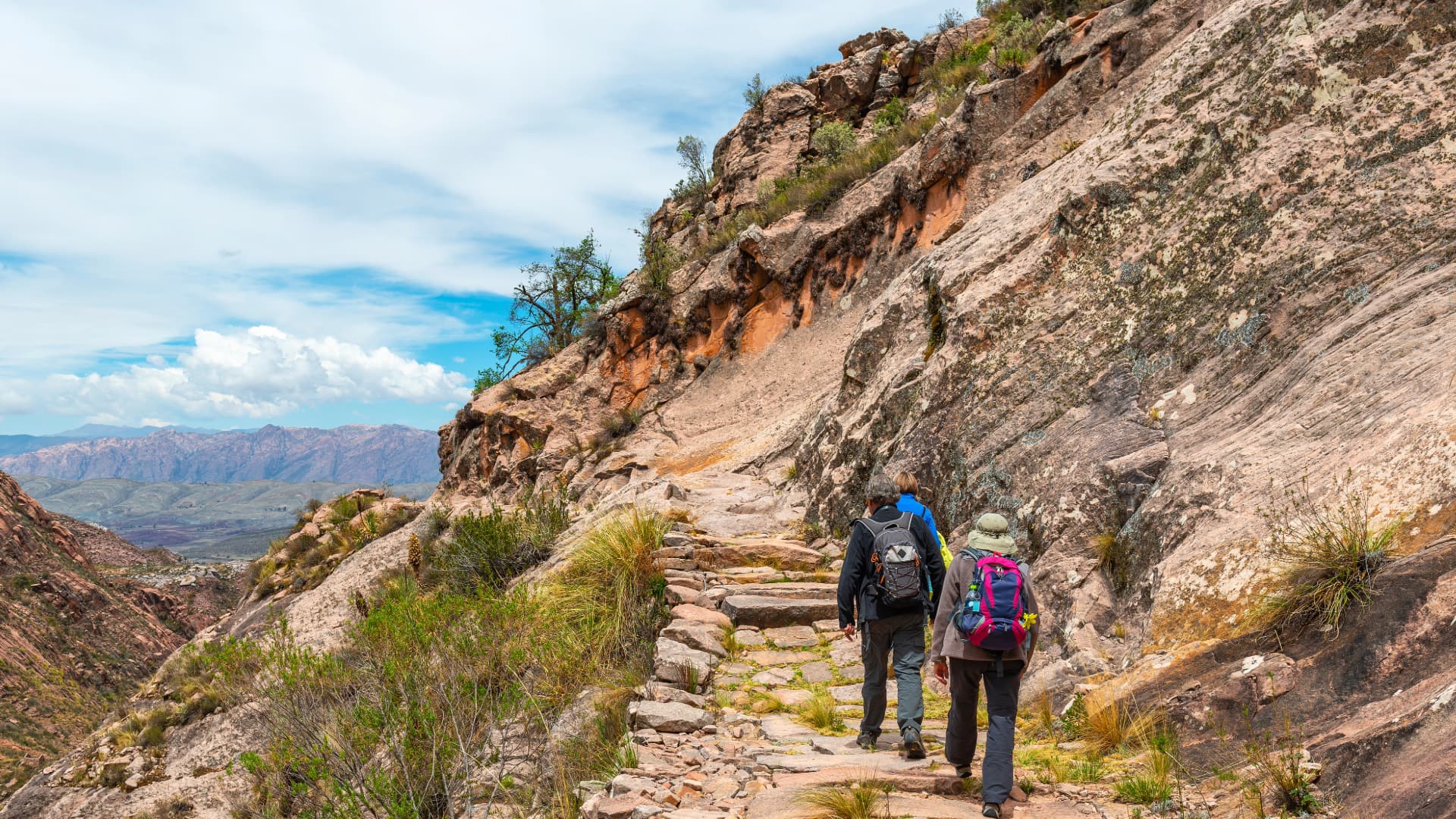

Trekking the Andes is a dream, yet carrying all your gear across continents is a logistical headache. Therefore, when planning your adventure, one major decision stands out: should you bring your own equipment, or should you opt for trekking gear rental cusco? For most modern hikers, renting is the smart choice because it allows you to travel lighter and ensures you have the right gear for the specific, extreme conditions of the Peruvian high mountains. Ultimately, our goal is to help you decide what to pack and what to secure right here in the heart of the Inca Empire.
The Case for Trekking Gear Rental Cusco: Travel Light, Hike Smart
Bringing a specialized, negative degree sleeping bag and a sturdy sleeping pad on an international flight adds significant cost and bulk. However, Cusco is the hub for Andean trekking, which means there is a highly competitive and well developed market for trekking gear rental cusco. Crucially, reputable local agencies, like Peru Hikers, often provide a selection of high-quality items specifically rated for the cold, high altitude environments you will encounter. Consequently, this option is perfect for travelers focused on an unforgettable experience, not on baggage fees.
- Convenience: Renting frees you from the burden of transporting heavy, bulky equipment on long flights.
- Suitability: Local gear is specifically temperature-rated for the Peruvian Andes, which can drop far below freezing.
- Cost-Effectiveness: For a single trip, renting usually costs far less than buying and shipping specialized gear.
However, you must be cautious. That said, not all rental gear is created equal. The quality of your gear is non-negotiable for safety at high altitude. The voice of experience: Always verify the official temperature rating of the sleeping bag you rent. For example, a bag rated for 0°C (32°F) is completely inadequate for the Andes and can lead to hypothermia. Therefore, always check the official temperature rating for comfort.
What to Rent and What to Pack: A Smart Traveler’s Checklist
Deciding what to rent versus what to bring from home often comes down to personal comfort and fit. Specifically, items that must be precisely fitted to your body like boots or rain gear should always be brought from home to avoid blisters and discomfort. In contrast, heavy, generic items are ideal for trekking gear rental cusco. Before starting, always prioritize getting properly acclimatized before starting any major trek. For instance, read our guide on How to Avoid Altitude Sickness in Peru to ensure you are ready for the challenge. You can also prepare your body with our tips for high altitude trekking fitness .

Essential Items Best Suited for Local Rental
The most critical items for your rental consideration are those that take up the most space or require specific temperature ratings. We recommend focusing your trekking gear rental cusco on these key pieces:
| Item | Recommended Specification | Why Rent It in Cusco? |
|---|---|---|
| Sleeping Bag | Down or Synthetic, rated for at least -10°C (14°F) for comfort. | Weight & Bulk. High-quality bags are huge and expensive to transport internationally. |
| Sleeping Pad | Insulated, with an R-Value of 4.0 or higher. | Crucial Insulation. Protects against extreme cold from the ground. Essential for a restful sleep. |
| Trekking Poles | Lightweight, collapsible aluminum or carbon fiber, adjustable. | Logistics & Size. Easy to rent a high-quality, reliable pair locally and avoid checking bulky baggage. |
| Day Pack (Duffel) | 40-60 Liters, durable, used to carry your gear on the trek mule/porter. | Porter Use. Often included in tour packages, eliminating the need to bring one. |
The Critical R-Value Rule
This is our top tip for using trekking gear rental cusco: Do not just check the sleeping bag; instead, focus on the sleeping pad. The sleeping bag only keeps your heat in, but the pad stops the cold ground from stealing it away. The voice of experience: Many rental shops offer cheap foam pads, which provide minimal insulation (low R-Value). Consequently, always ask for a self-inflating or inflatable pad and confirm its R-Value. Ultimately, this is the difference between a cold night and a comfortable, restorative sleep, which is non-negotiable for multi-day treks. We prioritize inflatable, high R-Value mattresses for our clients’ comfort.

A Note on Quality and Cleanliness in the Andes
Furthermore, before you finalize your decision regarding trekking gear rental cusco, you must inspect the items. Bear in mind that the quality and maintenance of rented equipment directly impacts your safety and comfort in the extreme Andean climate. Specifically, check for any tears, broken zippers, or heavy signs of wear that could compromise performance at high altitude.
Expert Inspection Checklist
- Sleeping Bag: Unroll the bag and confirm the zipper runs smoothly. Check for clean liners and visible loft (fluffiness). Low loft means the insulation is worn out.
- Trekking Poles: Extend the poles fully and ensure the locking mechanism (twist or flip-lock) holds tight under pressure. Ensure the rubber tip (ferrule) is intact for grip.
- Sleeping Pad: Inflate the pad and listen closely for slow leaks. Leave it inflated for five minutes. If it softens, request a replacement.
- Tents (If applicable): Check the flysheet and the floor for any tears or signs of mold, since this compromises waterproofing. The voice of experience: Always inspect the seams and zippers of the tent for integrity before accepting the gear, as high-altitude rain and wind can quickly expose flaws and compromise your safety.

If you are joining one of our premium tours, like the Salkantay Trek to Machu Picchu 5D/4N or the challenging Lares Trek to Machu Picchu 4D/3N , high quality sleeping pads and tents are included, simplifying your rental decisions further. This allows you to focus on the journey, not the logistics.
Frequently Asked Questions about Trekking Gear Rental Cusco
- Where can I find reputable trekking gear rental cusco shops? There are many shops around the Plaza de Armas and on Calle Procuradores. However, the most reliable gear often comes directly from the tour operator you book with, as they usually use commercial grade equipment appropriate for their tours.
- What is the average cost of trekking gear rental cusco per day? Prices are highly negotiable. Generally, a quality trekking gear rental cusco sleeping bag is $5–$10 USD per day. Trekking poles are around $2–$4 USD per pair per day. Packages can often reduce the total cost.
- Should I rent or buy hiking boots? Never rent hiking boots. Instead, always bring your own broken-in, waterproof hiking boots. Rented boots are the fastest way to acquire painful blisters and ruin your trek. Your boots are the only item you must have perfectly fitted and comfortable.
- How far in advance should I reserve rental gear? If renting through your tour company, reserve it during the booking process. Otherwise, if renting independently in Cusco, you can generally walk into a shop the day before your trek, but reserve critical items like -15°C sleeping bags in high season (May to September).
- Is the rental gear cleaned between uses? Reputable tour companies and shops will clean and sterilize sleeping bags after every use. Always ask explicitly about their cleaning protocols to ensure the gear is hygienic and fresh for your adventure.
In summary, the decision to choose trekking gear rental Cusco is the smart step that allows you to travel light while ensuring you have the right insulation for the freezing Andean nights. Remember the expert’s voice: inspection is non-negotiable. Indeed, by checking the temperature rating of your sleeping bag and, critically, the R-Value of your mat, you are directly investing in your safety and the restorative sleep required to conquer the highest mountain passes.
Above all, don’t leave your comfort to chance. Travel light, pack smart, and trust the gear that has been trail-tested by experts. Ready to leave the logistics worries behind and focus on the majesty of the Andes?
Conquer the Andes. Discover your spirit.
Check out our latest expedition photos and reports on Facebook. If you have specific gear questions before booking, feel free to get in touch with our experts CONTACT US, and join the adventure with Peru Hikers.